The Italian nobility
Regional diversity instead of a uniform system
Italian nobility, in contrast to more centralized European monarchies, never developed into a unified nation-state, but into a multitude of different kingdoms, principalities, city republics, and the papal church state.. This historical and geographical fragmentation led to the fact that the origins, legal status, titles, and political functions of the aristocracy varied significantly from region to region.. In addition to the traditional feudal nobility, which had its roots in the Middle Ages, urban leadership positions played a dominant role in Italy.. The development of Italian society was significantly influenced by the specific feudal and inheritance laws of the Middle Ages as well as by dynamic urban, economic, and ecclesiastical structures..
In the north and west of Italy, the landed nobility emerged from the medieval feudal system; however, in the south, it was subject to entirely different historical laws.. After the fall of the Western Roman Empire and the turmoil of the migration of peoples, a profound territorialization occurred.. Through the union of the Italian Kingdom with the East Frankish Empire under Emperor Otto I from the year 951, the so-called flags of the Holy Roman Empire were created, which were grouped under the term Imperial Italy.. The noble houses of Upper Italy remained relatively loosely bound to the Emperor during this period.. As many of the most powerful dynastic clans died out or became strongly fragmented in the High Middle Ages, the old feudal territories increasingly fragmented..
Feudal nobility and urban patricians: The power of the municipalities
An outstanding feature of Italian noble history is the fundamental importance of the urban communes from the High Middle Ages onwards.. Along ancient trade and transit routes, urban communities grew up in the 10th century, achieving considerable prosperity through agricultural production and thriving trade.. Starting in the 11th century, these cities increasingly became independent of both the emperor and the regional margraves and acted politically entirely independently..
The rural nobility was magically drawn to this economic boom of the cities.. Numerous nobles moved to the urban centers, engaged in distance trading, established trading houses, or founded banks.. In the High Middle Ages, the term "noble" was fluid, and the relationships between the urban patriciate and the respective city lords remained dynamic.. The merchants of wholesale trade soon formed an exclusive caste of patricians.. These patricians occupied seats on the city councils and did everything to strictly limit access to political office..
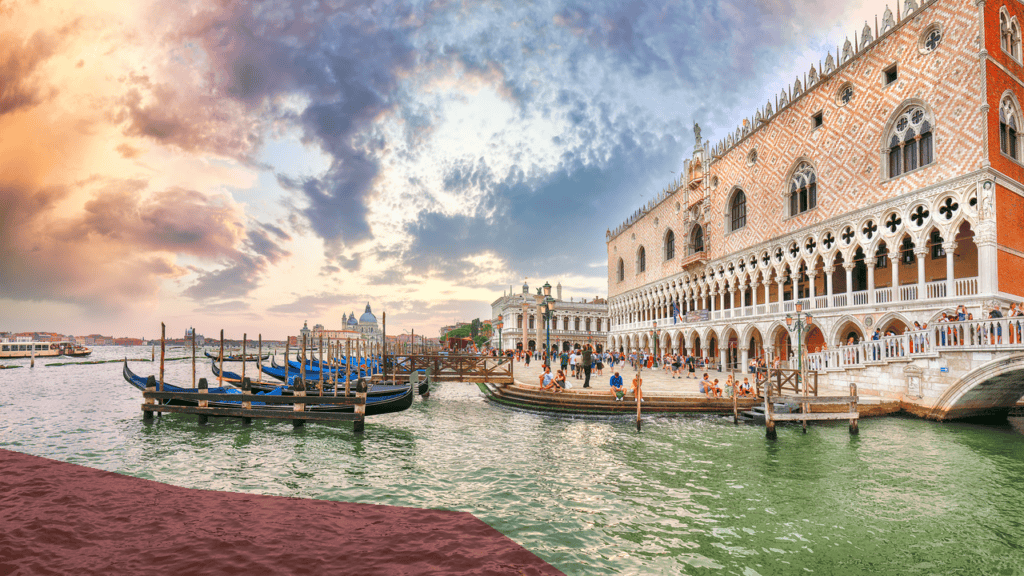
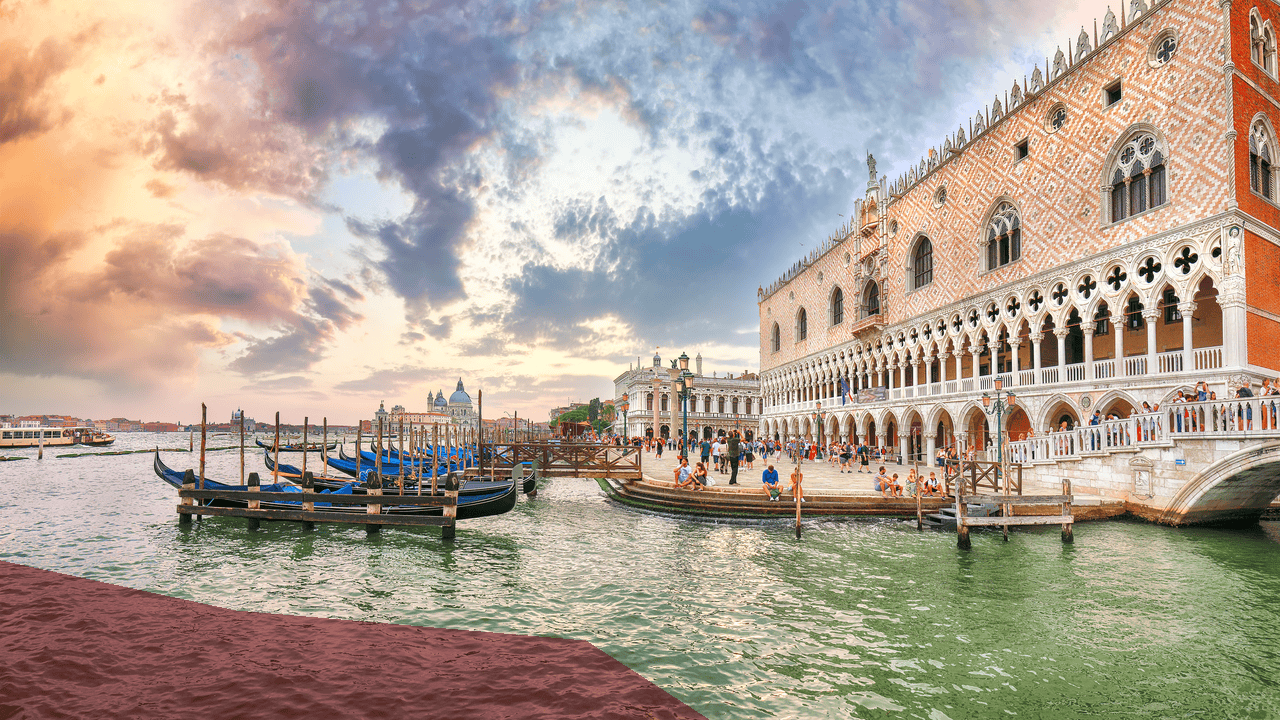
Unlike in countries like Germany or France, where aristocrats were forbidden from engaging in commercial activities under the threat of losing their status privileges, it was common in Italy for even artisans and merchants to be knighted.. Over time, these wealthy urban elites acquired extensive land holdings at the expense of the traditional feudal counties and baronies in the surrounding area.. In the late Middle Ages, patrician merchants rose to the status of quasi-nobles through this land ownership, while in the Early Modern Period, it was also possible to specifically acquire official noble titles.. A well-known example of this is the Venetians. Nobili or Nobilòmo, those who belonged to the Grand Council, elected the Doges and acted as independent patricians without feudal dependence on a foreign monarch.
The nobility of the ecclesiastical state and the ranks
In the central Italian ecclesiastical state, a traditional feudal nobility existed in parallel with a significant literary nobility.. Historically, the Holy See possessed the subject of international law and the authority to confer noble titles; however, this practice was discontinued after the pontificate of John XXIII..
The Italian ranking structure was essentially similar to that in other European countries, but it showed linguistic peculiarities: At the top stood Principle (Prince) and Duca (Herzog) as an inherited title, followed by Marchese (Markgraf), Conte (Graf), Visconte (Visegraf), Barone (Baron) and Noble or. Patrizio for the lower nobility and the patriciate. Since many counties and baronies were very small compared to territories in Central Europe, the material foundations and the property of many titleholders often remained modest..
From the Kingdom to the Republic and the Present
It was only with the unification of Italy and the existence of the Kingdom of Italy from 1861 to 1946 that a nationwide, unified framework for the Italian nobility and its registration was formed.. With the end of the monarchy in 1946, the nobility lost its official legal status through the Constitution of the Republic.. Historical noble titles such as „de“ or „di“ were integrated into the bourgeois names, while the actual ranks such as Barone or Conte They are no longer legally protected, but continue to be managed unofficially in social and family contexts by the affected families.. To this day, magnificent city palaces, estates, historical archives, and the close connection with Catholic religious orders still shape the image of Italian aristocracy., Whereas a historical aspect persists Title of nobility in modern everyday life purely as a reminder of centuries-old regional diversity.
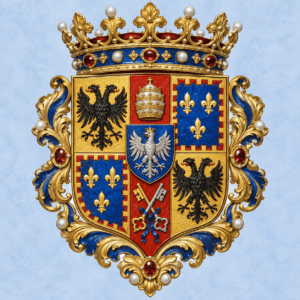
Duke of Ferrara
124,90 €
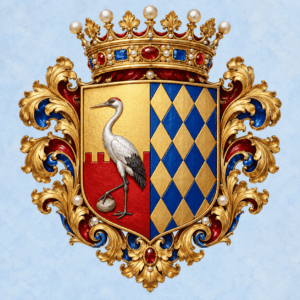
Baron of Carini
114,90 €
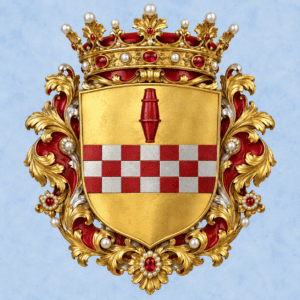
Count of Spinola
49,90 €