













Class by Country: A Global Cultural History of Aristocracy
The fascination of the history of the nobility: From the feudal system to European and worldwide aristocracy
In the historical context, the term "aristocracy" describes an exclusive, legally or socially privileged upper class whose power and influence traditionally depended on lineage, land ownership, military service, or imperial or royal privileges. When looking at the development of global elites within the historical framework, it quickly becomes apparent that there was never a uniform, rigid form of aristocracy. Rather, each era and each geographical region produced entirely distinct structures. While in Europe the medieval feudal system, the knightly chivalric order, and later court absolutisms shaped societies, entirely separate systems developed in other parts of the world. Thus, in Asia, imperial dynasties, spiritual legitimacy, and warrior-like samurai traditions were at the forefront, while on the Arabian Peninsula powerful tribal confederations and ruling families formed the political foundation. The study of the nobility is therefore much more than simply examining ancient documents; it is a fascinating journey through the cultural, legal, and architectural history of humanity, reflected in magnificent castles, fortresses, Coat of arms and centuries-old traditions.
The diversity of the regions at a glance
The historical development of aristocratic and monarchical systems varied enormously from country to country, which is also reflected in the specific circumstances of the various regions that form the foundation of our analysis. In Great Britain, the powerful Peerage with its five classic ranks from Baron to Duke, as well as the historical integration through the Magna Carta The state structure, while the French nobility remains unforgettable for its glorious court life under the Sun King in Versailles and the strict separation of the sword and letter nobility. In contrast, the German nobility, characterized by the centuries-long fragmentation of the Holy Roman Empire by hundreds of imperial states, princely states, and the old count and baron class, while in Austria a multifaceted web existed of Habsburg royal domains, the old nobility, and the bourgeois-oriented „Second Society“ before the strict nobility abolition law of 1919 ended all titles.
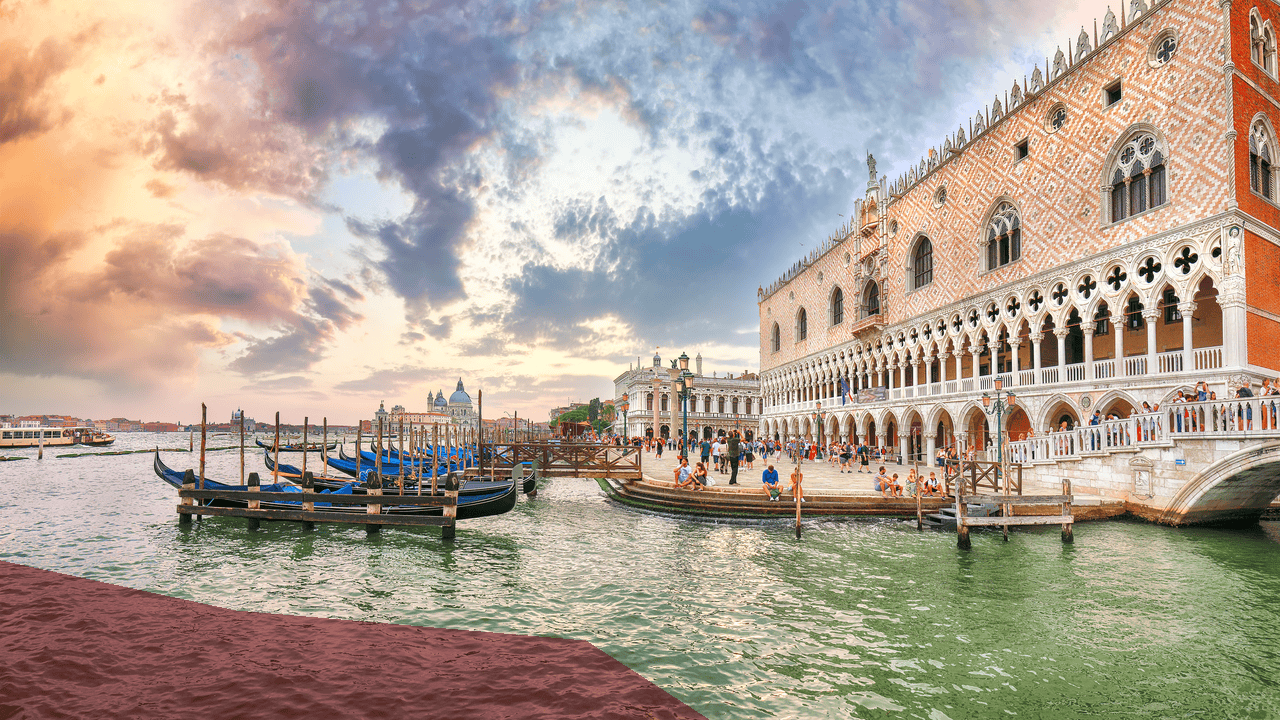
The respective historical conditions also took hold in the other European countries: Italy, due to its centuries-long territorial fragmentation, did not produce a central monarchy, but rather increasingly powerful city-patriarchates and trading republics such as Venice, while Switzerland never possessed a national nobility, but rather established influential patrician leadership layers in cantons such as Bern and Zurich. The Scandinavian countries boast a long Viking tradition and powerful jarls, from whom later structured knightly houses emerged in Sweden and Denmark. In Spain, the Reconquista, the exclusive The greatness of Spain and a deeply rooted nobility whose history is intertwined with the Benelux countries – Belgium, the Netherlands and Luxembourg – which are linked by a Burgundian-Habsburg past in which Belgium and Luxembourg still maintain the royal prerogative of conferment, while the Netherlands strictly govern their nobility by law. In Central and Eastern Europe, the spectrum ranged from the Polish noble republic of Szlachta from the consistently organized Bohemian nobility and Hungarian magnates to the Russian ones Courtly life Under Peter’s ranking table. This global panorama is complemented by the fascinating monarchies and small states beyond the classical European continent: the small European states such as Liechtenstein and Andorra, the Asian traditions of Japanese imperial culture, the spiritually rooted monarchy in Bhutan, and the dynastic ruling structures in the Arab monarchies such as Saudi Arabia, Qatar, the United Arab Emirates, or Jordan.
The timeless appeal of historical traditions
Although modern constitutions and democratic legal systems have long since put an end to the political privileges of the nobility in most countries and have greatly reduced the legal significance of titles, the cultural appeal of nobility Coat of arms and historical family names remains undiminished to this day. Engaging in genealogy, preserving historical archives, castles and works of art, and cultivating traditional values combine the past and present in elegant ways. A historical Title of nobility It symbolically represents an era in which craftsmanship, familial honor, and representation held a particularly important place. This comprehensive encyclopedia invites you to explore the deep historical roots, legal peculiarities, and cultural diversity of the aristocracy in all their facets.