Swiss nobility and patriarchy
Nobility and urban leadership in the Swiss Confederation
The history of Switzerland has a peculiarity in comparison with Europe, as it has never produced a unified national elite or a central monarchical leadership.. In the High Middle Ages, numerous noble and free-state families, as well as ministerial lineages such as the Habsburgs, the Kyburgers, the Lenzburgers, the Toggenburgers, and the Werdenbergers, which possessed their own judicial rights and partially acquired a highly noble dynastic status, operated in the various Alpine and Trans-Alpine regions.. Until the Westphalian Peace in 1648, the old Swiss Confederation was officially part of the Holy Roman Empire, which is why the Roman-German Emperor repeatedly granted the imperial nobility to Swiss personalities, especially to deserving patricians and military commanders..
From the late Middle Ages – around the 13th and 15th centuries – the social structure in the emerging cities changed fundamentally.. In the free imperial cities and urban centers, powerful patriciate systems developed.. These urban leadership figures were composed partly of immigrant landed gentry, partly of wealthy bourgeois merchant families.. The concept of patricianism was established during the Renaissance and bears strong parallels to the urban nobility of Italy. Signoria on.
Cantons, lifestyle and political domination
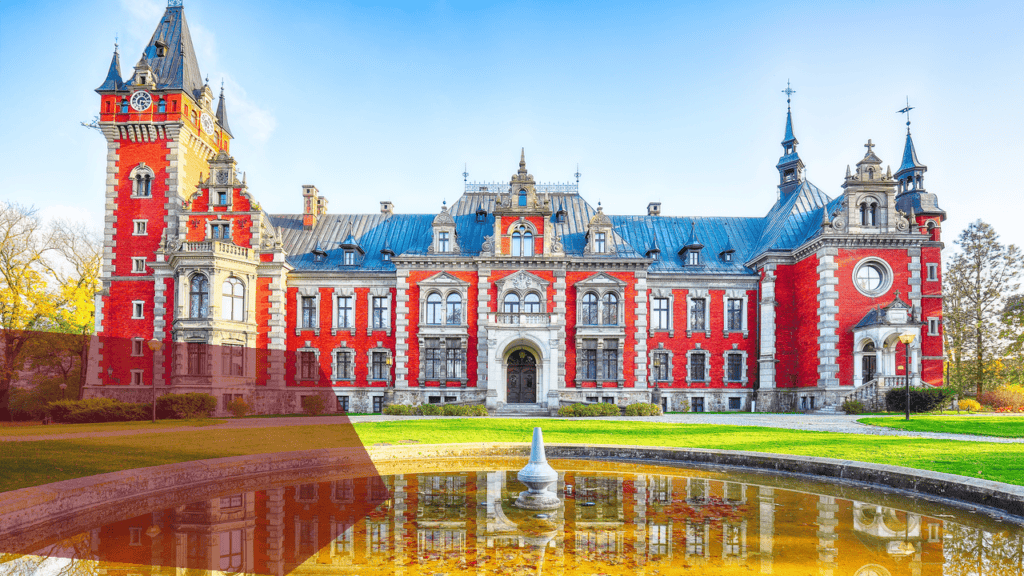
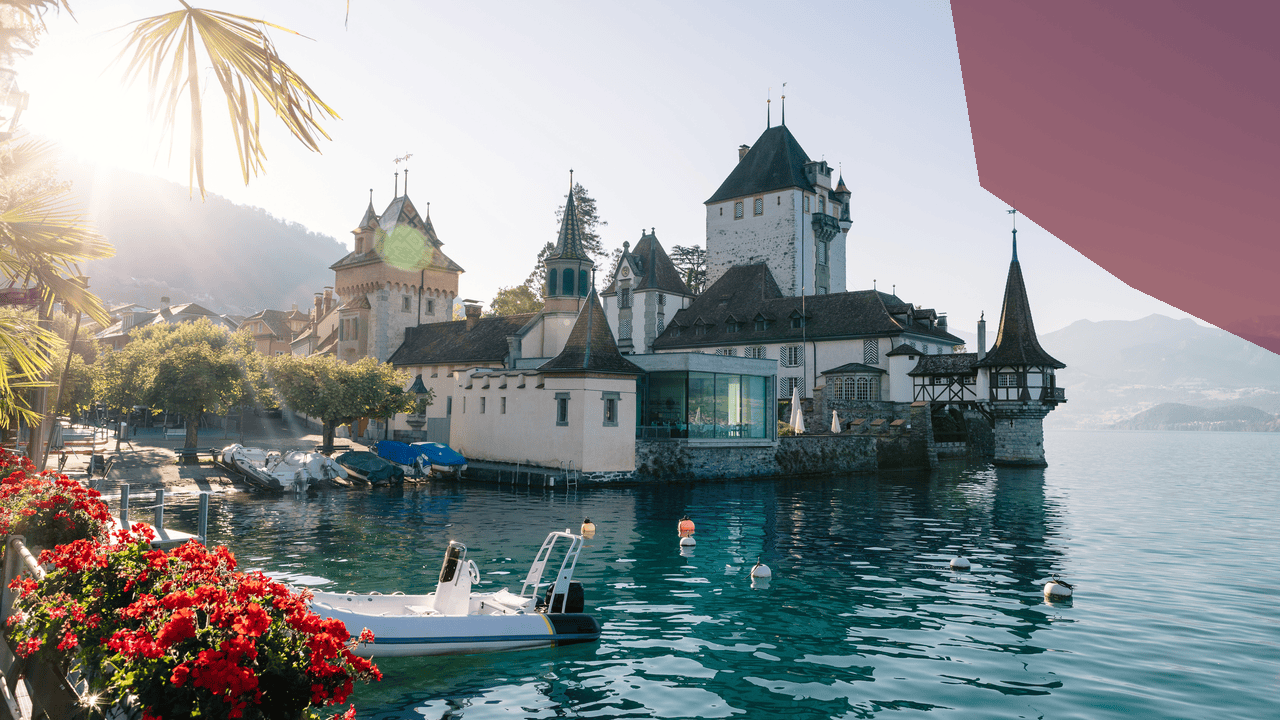
The patrician families in cities such as Bern, Freiburg, Lucerne or Basel remained economically active, conducted distance trading, invested in real estate or earned wealth in the military mercenary service.. However, their lifestyle was decidedly aristocratic: they acquired stately estates, built castles, and increasingly separated themselves from traditional craft guilds.. The patricians gradually ousted the guilds from power, formed exclusive city councils and ruled as „benevolent lords“ over the subordinate rural areas..
In Bern, for example, after the secession from the Reich, many city nobles and local elites united to form an influential aristocratic society that until 1798 served as the leading political institution and acquired extensive landed estates through the administration of conquered territories.. In the Republic of Neuenburg, which was until 1848 ruled in person by the Prussian kings, numerous patrician families remained entrenched in the nobility until the 19th century.. The Free State of the Three Leagues, founded in 1367, also functioned as a kind of noble republic with close ties to its Habsburg neighbors before it merged into the Confederation in 1798..
Revolution and the Present
The French occupation and the Helvetic Republic in 1798 brought a severe setback for the ruling elites when the „gentlemen of the good name“ temporarily lost their unrestricted power.. Although conservative circles gained influence again temporarily after the political turmoil, the liberal revolutions of the 1830s and 1840s finally put an end to the political dominance of the patrician families.. However, until the early 20th century, members of these historical families retained a significant role in business, diplomacy, and social foundations..
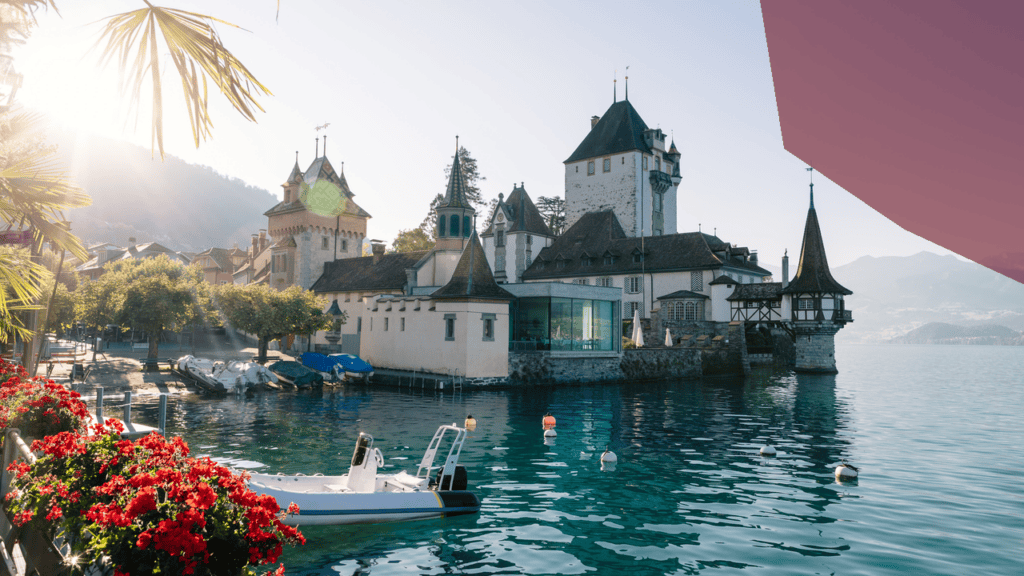
Today, the nobility and the traditional patriarchy in Switzerland have neither legal nor social significance.. The designation of historical titles is subject to personal discretion; official titles Title of nobility such as Count or Baron are inadmissible in official documents, and may only be used in the context of civil naming rights as simple designations of origin („von“ in French-speaking Switzerland or „de“). In modern Swiss everyday life, it is therefore hardly noticeable anymore whether a name stems from the old feudal nobility or from a patrician lineage originating in the city.. Historical castles, family funds and archives nevertheless bring the past to life in the public consciousness., while an earlier one Title of nobility today is purely a private matter.