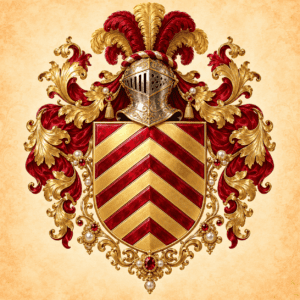
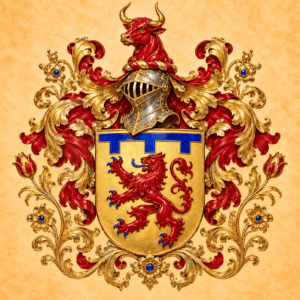
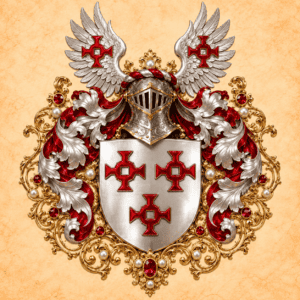
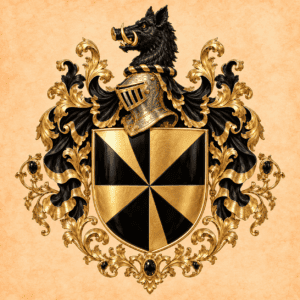
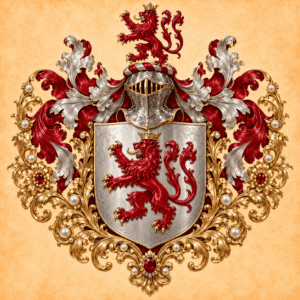
The Dutch nobility has a long tradition of development that is closely linked to the maritime rise of the United Netherlands Republic and the Burgundian heritage of the historical provinces. Between the vast stretches of dykes, the powerful estuaries of large rivers, and the emerging commercial cities, the noble class formed the defensive and political foundation of the country. A Dutch noble Title of nobility was synonymous with permanent privileges, outstanding diplomatic skill, and the persistent defense of regional freedoms against foreign hegemonic powers.
In our historical register, the most prestigious figures of this northwestern European aristocratic society are gathered. At the top of the hierarchical structure stands the prestigious title of Count, whose holder is granted extensive territories and who decisively shaped the country’s permanent life. This rank is flanked by the esteemed status of Baron, who served as the ruler of the country and a senator for chivalric military strength, agricultural cultivation, and far-reaching judicial authority. The spectrum is rounded off by the venerable title of Knight, which embodied the living ideal of chivalric service and the noble knights of the provinces. Each of these ranks conveys the restrained nobility and the historic self-confidence of the Dutch nobility.