

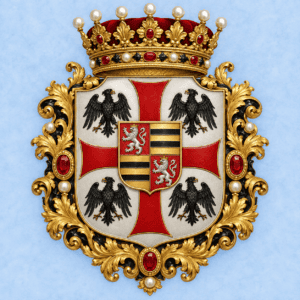
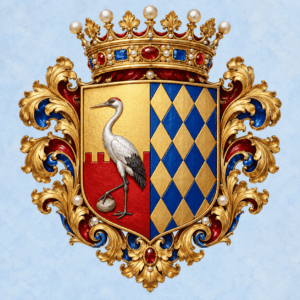
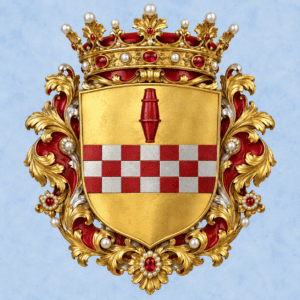

Italian nobility possesses one of the most multifaceted and glorious histories in Europe, shaped by the coexistence of powerful sea republics, papal aristocratic dynasties, and traditional kingdoms from Tuscany and Lombardy to Sicily and Naples. Deeply rooted in the Renaissance, ancient patrician culture, and chivalric traditions, the nobility of the Apennine Peninsula formed the center of groundbreaking art promotion, European diplomacy, and urban representation. An Italian Title of nobility was synonymous with timeless elegance, architectural monumentality, and that exquisite sense of style and statecraft that made Venetian palaces, Tuscan estates, and Roman residences world-renowned.
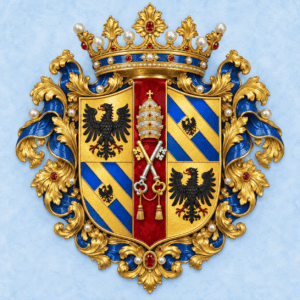
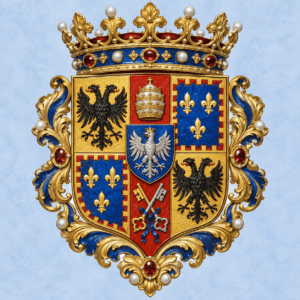
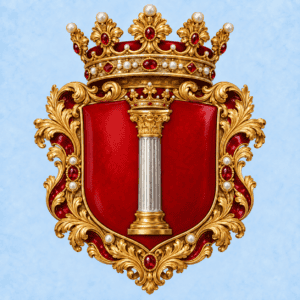
In our historical register, the most prestigious ranks of this Mediterranean aristocratic system come together. The peak is marked by the princely rank of the Principe and the elevated dignity of the Duke (Duca), both of which recall sovereign city-states, principalities, and long-established ruling families. These titles are flanked by the prestigious Marchese, who commanded historically defensive border and coastal territories, as well as the traditional noble rank of Conte as the highest lord of flourishing provinces and cities. The selection is rounded off by the esteemed rank of Baron, which was particularly prominent in the south of the peninsula for extensive feudal landholding, agricultural cultivation, and knightly autonomy. Each of these ranks conveys the timeless nobility and historic prestige of Italian culture.