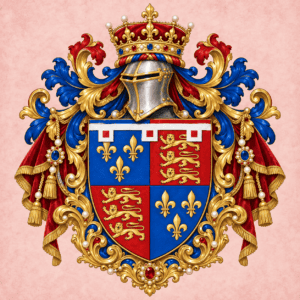

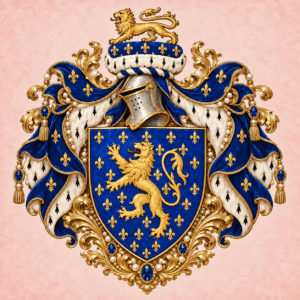
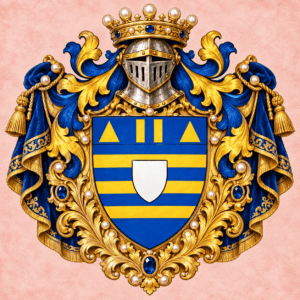
The English nobility looks back on an unbroken tradition that, since the Norman Conquest in the 11th century, formed the social and parliamentary backbone of the kingdom. Rooted in the venerable system of the Peerage of England, the British aristocracy combined chivalric feudal duties with an unparalleled sense of parliamentary participation, legislation, and the administration of thriving counties. An English title of nobility has always stood for timeless elegance, noblesse, and that unmistakable sense of duty and tradition that has shaped British country estates and magnificent townhouses for generations.
Our historical register brings together the most esteemed dignities of this peerage steeped in tradition. At the top of the hierarchy stands the sublime rank of the Duke, the highest secular nobility tier beneath the royal family, flanked by the influential office of the Marquess for securing strategic provinces. The centerpiece of the classical aristocracy is the traditional rank of the Earl, whose title dates back to the Old English and Danish jarls, followed by the valued dignity of the Viscount. The selection is rounded off by the esteemed rank of the Baron as well as the title of the Lord, both of which functioned for centuries as firm pillars in the House of Lords and embodied the chivalric independence of the free lordships. Each of these ranks reflects the venerable prestige and the living historical heritage of the English Crown.