Title of nobility from Africa
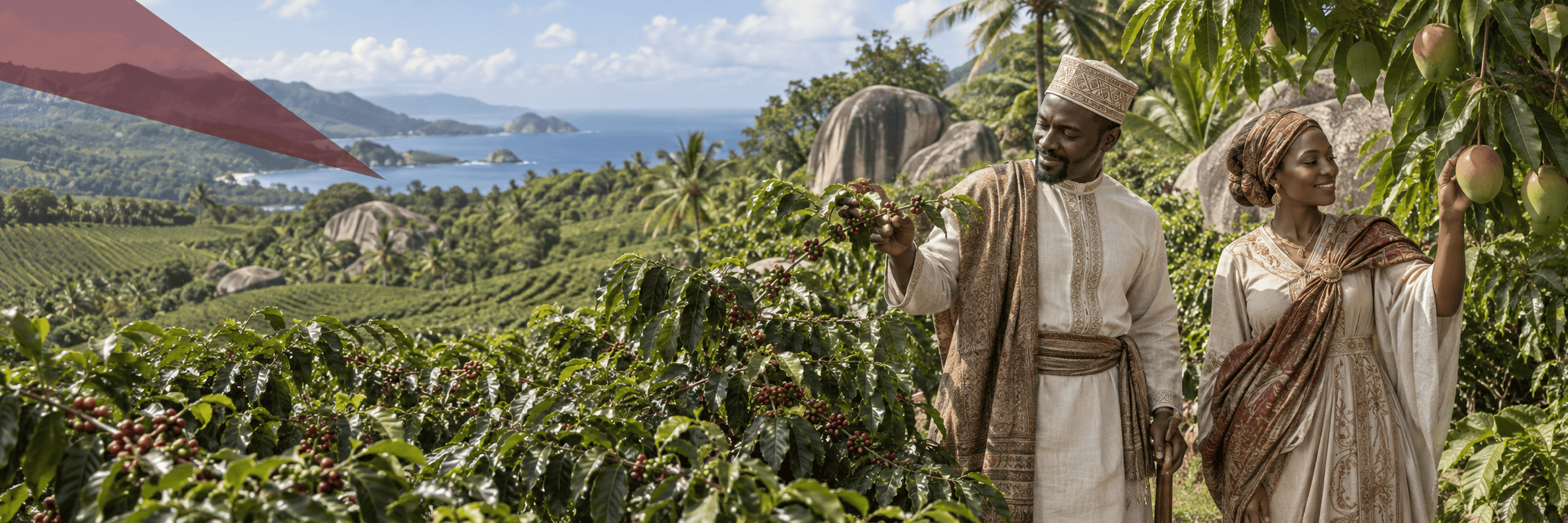
Combine extraordinary Lord titles with impactful engagement on the African continent and in the Indian Ocean. As a Lord or Lady of Mai Mahiu, you support fair working conditions for Kenyan farmers and enjoy a pound of fresh highland coffee from your plantation every year. The project in Embu provides a fertile soil and clean water from a private well for a village community on Mount Kenya, whose harvest benefits the entire family. On the Seychelles, the title of Lord of Anse Boileau ensures the livelihood of a local fruit farmer and preserves traditional island agriculture away from mass tourism. Each project combines personal distinction with concrete help for self-help on the ground.
Lord of Mai Mahiu: Your personal piece of highland coffee in Kenya
Become a symbolic co-owner of our sustainable coffee project on the edge of the East African Rift Valley in Mai Mahiu. With your commitment, you carry the traditional title of Lord or Lady of Mai Mahiu and support fair wages and modern working conditions for the local farmers on the ground. As a tangible connection to your region, you receive a full pound of freshly harvested, aromatic roasted highland coffee directly from your plantation every year – personal and authentic enjoyment is hardly comparable to gifting.
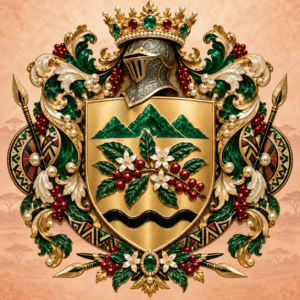
Lord of Mai Mahiu including coffee plantation
74,90 €
Lord of Anse Boileau: Exotic diversity in the Seychelles
Adopt the evocative title Lord or Lady of Anse Boileau and become partners in a traditional fruit farm on the idyllic west coast of Mahé. Away from mass tourism, you will strengthen a local farmer in the sustainable cultivation of tropical fruits such as papayas, mangoes and passion fruit. Your commitment makes a valuable contribution to the Seychelles’ self-sufficiency and preserves precious natural land from being displaced. Set a stylish symbol of ecological craftsmanship and vibrant island tradition in the Indian Ocean.
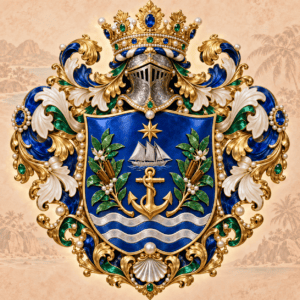
Seychelles Lord of Anse Boileau
44,90 €
Lord of Embu: Source of life and sustainable future on Mount Kenya
With the title Lord or Lady of Embu, you associate personal distinction with concrete help for self-help. In the fertile foothills of Mount Kenya, our project provides fertile soil and a private well for the village community. The residents use the area as a productive community garden for fruits, vegetables, and herbs and keep all the harvest for themselves. Their sponsorship creates reliable living conditions, promotes healthy nutrition, and offers an African village community lasting prospects and clean water.
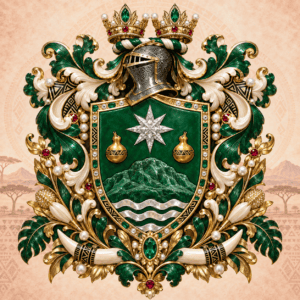
Lord & Lady of Embu
34,90 €
Pascha von Safaga: Orientalist dignity on the Red Sea
With the title Pascha of Safaga, you bring the fascinating Ottoman-Egyptian tradition to life in a personal way. Safaga, once a significant hub on the ancient caravan routes and today Egypt’s maritime gateway, forms the sun-drenched backdrop for this extraordinary distinction. The historical title stands for determination, leadership, and openness to the world. Experience oriental history as a stylish accent for your name, uniting the magic of the Orient, the vastness of the desert, and the elegance of the Red Sea in a distinctive identity.
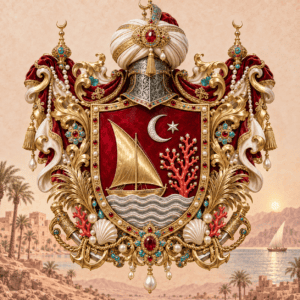
Egyptian Pasha of Safaga
54,90 €

The powerful Ashanti people of present-day Ghana had a feudal system that surpassed even European imperial palaces in bureaucratic sophistication and sheer opulence. At the top of the hierarchy stood the Asantehene, the King of all Kings, followed by powerful divisional princes and chieftains. The status of a noble ruler was not measured by paltry lands, but by the possession of exquisite gold dust, which was stored in elaborately decorated brass boxes and weighed with their own highly precise scales. When a higher Aschanti prince invited to an audience, his servants carried huge silk sunshades in front, while the prince himself could hardly walk upright with thousands of pounds of heavy, massive gold jewelry on his arms and ankles. To secure the prestige of the ruling line, the men did not choose the next successor to the throne, but the Asantehemaa, The powerful Queen Mother, whose political veto taught even hardened warlords to fear her. To this day, the Asantehene in Ghana wields enormous constitutional authority – a living testament to the fact that ancient feudal titles can effortlessly survive in modern democracies.
In the heart of present-day South Africa, the Zulu created a military title system that shook the entire continent and was driven to perfection by kings such as Shaka Zulu. The highest ruler bore the revered title Ingwenyama, which literally means „the lion“, and relied on a tight web of princes and generals, the so-called Izinduna. These nobles did not earn their rank through dusty parchments in the archives, but through iron discipline on the battlefield and the leadership of entire regiments of warriors, the feared Impi. Every nobleman possessed shields made from the hides of certain cattle, the color and patterns of which unequivocally marked their exact military rank in the army. When the British colonial troops encountered the Zulu army at the Battle of Isandlwana in 1879, the Empire experienced one of the most devastating defeats in its history against an army led by proud Zulu war chiefs alone with short spears and tactics. To this day, the Zulu king, as a traditional head of state, enjoys the respect and honor of millions of people.
The Ethiopian Empire looked back on a millennia-old, uninterrupted history of nobility that, according to legend, directly traced back to King Solomon and the Queen of Sheba. At its head stood the Negus Negest, The King of Kings or Emperor, who ruled over a fascinating ranking system. Directly below him stood the Rāse, which translates to „head“ and roughly corresponded to the European duke, followed by the Dejazmach, the commanders of the main force, and the Fit’awrari, The brave commanders of the vanguard. At ceremonial occasions, Ethiopian princes wore real lion mane hats instead of velvet fur as a head ornament, signaling that the wearer had shown courage in battle. This highly organized military elite was the main reason why Ethiopia, as the only African nation, successfully resisted the European colonial powers in the 19th century: In the legendary battle of Adwa in 1896, the troops of the Ethiopian princes defeated the Italian invasion army within a few hours and secured the independence of the empire for the Emperor.
In southeastern Nigeria, the Igbo people developed a radically different, fascinating form of nobility: the so-called OzoTitles that one could neither secure through birth nor by royal whim. A wealthy and respected citizen had to work their way up to this noble rank through incorruptible integrity, enormous diligence, and spectacular generosity towards the entire village community. The admission ceremony resembled a gigantic folk festival, in which the candidate had to feed the entire region for days and had to pay high admission fees into the community coffers. Once the consecration was complete, the newly minted Ozo title holder received massive armbands and footrests made of pure ivory that were so heavy and unwieldy that the dignitary could henceforth only walk through the crowd with measured, aristocratic steps. From that day on, the nobleman was not allowed to lie or give false testimony in court – the title was an expensive honorary position that elevated the bearer to the living moral authority of the entire tribe.
In northern Nigeria, the powerful emirs of the Sokoto Caliphate ruled, establishing an Arab-African feudal system that still persists today in the annual Durbar-Festivals are celebrated. The emir, who also serves as the religious leader of the faithful, relies on a huge court with traditional titles such as the Waziri as Prime Minister, to Madaki as a military leader and the Galadima as the administrator of the royal residence. When the Emir opens the palace gates, a procession of hundreds of horsemen sets off, their horses clad in quilted, silky armor and adorned with silver crests. Leading the way are palace guards, riding on meters-long metal trumpets called Kakaki, thunderous fanfares that can be heard for miles across the savannah. The British colonial administration was so overwhelmed by the tight organization and the deeply rooted respect of the population for these titles that it did not even attempt to abolish the system, but left the Emirs largely untouched with their thrones and traditional privileges.
Seychelles – The Treasure Farm
Here you get the unique opportunity to own a piece of paradise. Become a co-owner of our “The Treasure Farm” in the mountains of Mahé, the main island of the Seychelles in the Indian Ocean, where fruits, vegetables, spices and flowers grow like crazy. Through the land ownership you will also be elevated to the noble rank of “Lord or Lady of Anse Boileau” and officially hold the title. By purchasing your certificate you are also simultaneously supporting the entire village around the farm and helping the residents continue to be able to access this garden of Eden for free.
Welcome to the wonderful paradise farm in the mountains of the main island of Mahé, which perfectly reflects the great wealth of the various regional plants, spices and herbs.
Everything from bananas, cinnamon, lemons, oranges, peppers, papayas, three different varieties of coconut palms, to herbs like thyme, oregano and much more can be found on this unique piece of land. To top it all off, there is a stunning view of the bay of Anse Boileau, which presents a breathtaking sunset in the evening hours.

The Treasure Farm is located in the mountains of Mahé, in the immediate vicinity of the bay of Anse Boileau, which at evening time offers a magical sunset. Become part of this dreamlike paradise and support the people there directly.
All year round, the Treasure Farm grows the most beautiful fruits and vegetables native to the region of the Indian Ocean. Jonathan and his friends from the neighborhood tend the plants and harvest healthy, nutritious fruits of unique organic quality. Without any chemicals, only through the right know-how and a lot of love and dedication, the entire neighborhood enjoys the plantation.
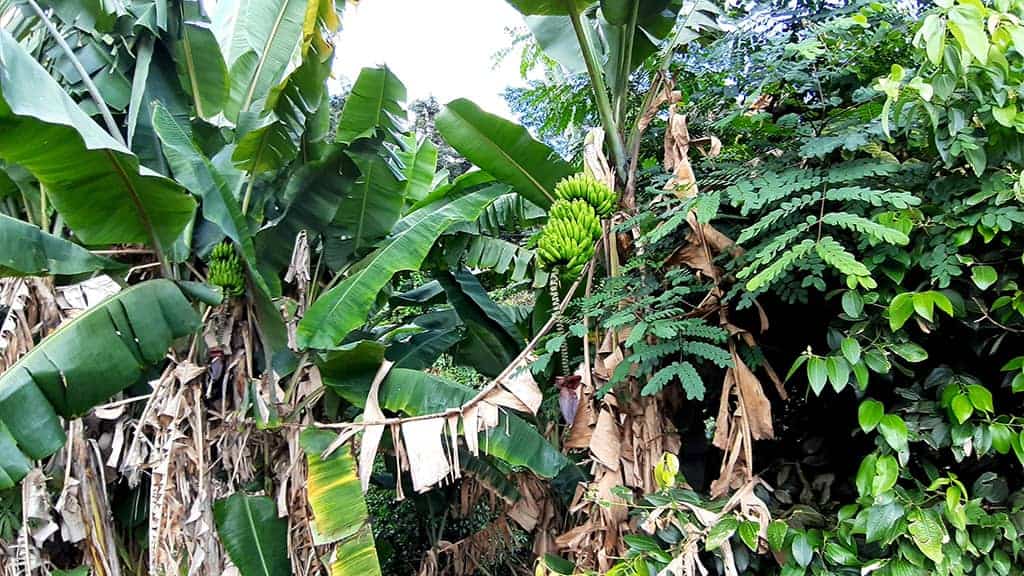
In the difficult times brought by Covid-19 to the Seychelles, the Treasure Farm fulfilled the important task of serving as an important source of food for the community. Jonathan shared all his treasures with everyone, never thinking to take anything for it. This reflects the warm and socially equitable attitude shared by all the Seychellois.
Of course, you are always welcome to spend a day with Jonathan on “your” farm.
Cook a “Red Snapper” together, drink a chilled juice made from freshly picked oranges and enjoy the breathtaking sunset in the evening. Jonathan’s best friend, the jockey, will be happy to take you from your hotel to the farm and back in the evening. Jockey also offers fantastic island tours and lets you experience all the dream beaches of Mahé Island.
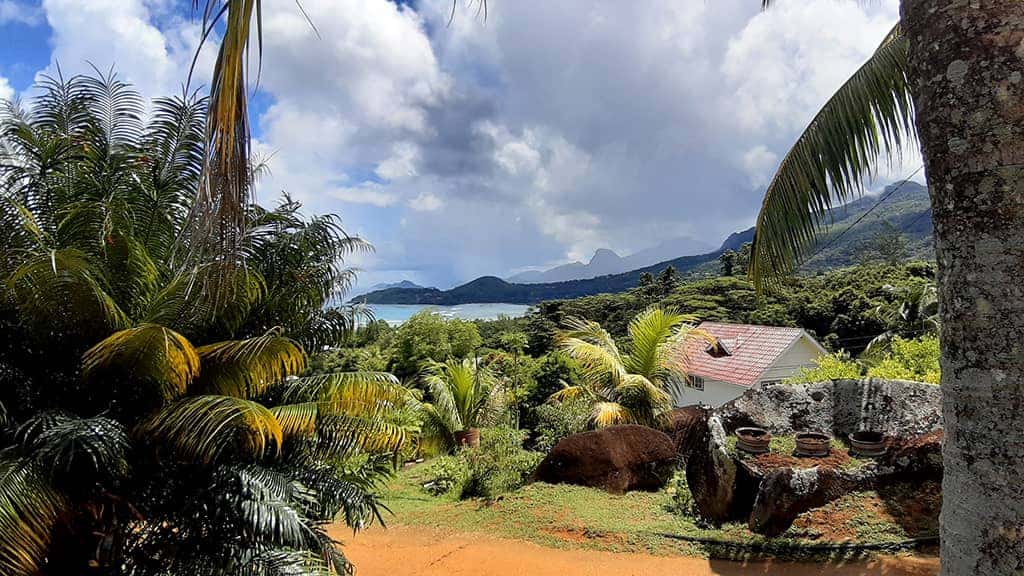
Where are the Seychelles located?
The Seychelles belong to Africa in terms of topography. They are located on the northern and western part of the Mascarene Ridge, an underwater barrier in the western part of the Indian Ocean. South of the Seychelles, off the East African coast, lie the island states of Madagascar, Mauritius and the Comoros.
How big is the Treasure Farm?
The farm has a total area of about 200 acres, or about 0.8 square kilometers. It is located in the mountains, the terrain is slightly sloping. Jonathan has terraced all the small fields and gardens in painstaking, long work, so that the total area is correspondingly slightly higher. Their shared ownership extends over the entire area.
May I visit “my” farm?
You are always very warmly welcome to spend a day on our farm. We are happy to arrange the direct contact for you and organize the pickup for you by our friend Jocky, who will also bring you back in the evening.
Will I have to pay additional costs?
No, definitely not. This is a private agreement, and with the purchase of your share with us everything is paid for. There will be no further costs for you now or in the future.
What can I do with the farm?
Please understand it more as a symbolic co-ownership. Of course, all rights remain with Jonathan and he takes care of the farm and the plants. There is nothing wrong with camping in the garden, but please do not plan to build a house.
Further information can be found at myseychellesparadise.com
Kenya Title of nobility & Coffee Plantation
Lord & Lady of Mai Mahiu
Combine the fascination of traditional honorary titles with effective, genuine self-help assistance under the African sun. With this commitment, you acquire a symbolic co-ownership of our land in Kenya and henceforth carry the prestigious title of Lord or Lady of Mai Mahiu or Lord or Lady of Embu. It is a stylish combination of personal identity, noble presentation, and a partnership on equal terms: We provide the land and the marketing, while the local village communities bear sole responsibility and manage their projects entirely independently.
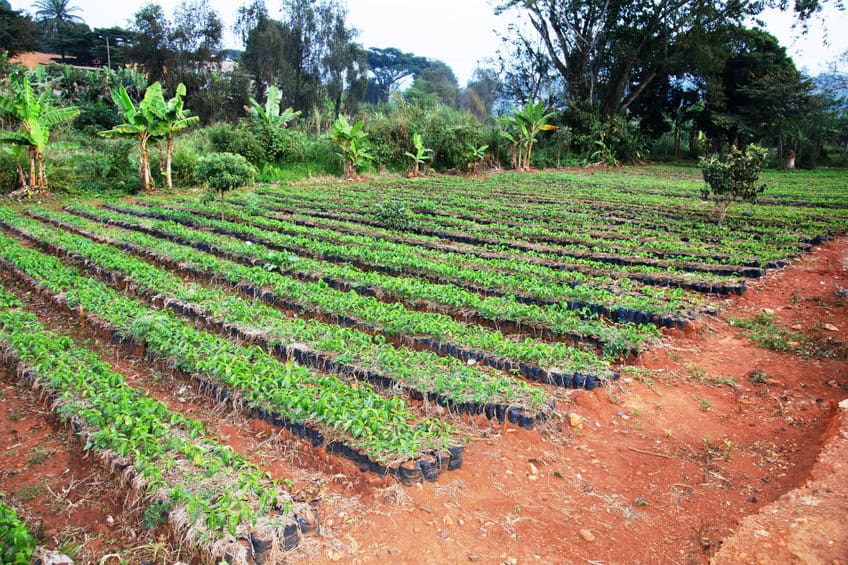
The coffee plantation in Mai Mahiu (Nakuru County)
Approximately 30 kilometers north of the capital Nairobi, in the scenic Great Rift Valley, lies the property in Nakuru County. We purchased this land to provide the local people with a reliable economic foundation:
Responsibility in the hands of the citizens: The management, care and harvesting of the coffee plants are entirely in the hands of the local small farmers and their families. They are their own masters on the field.
Fair purchase guarantee instead of handouts: With your title purchase, you finance a fair trading model. We buy the farmers’ raw coffee harvest directly at reliable, above-average prices. This gives the families a predictable income and allows them to invest independently in their future.
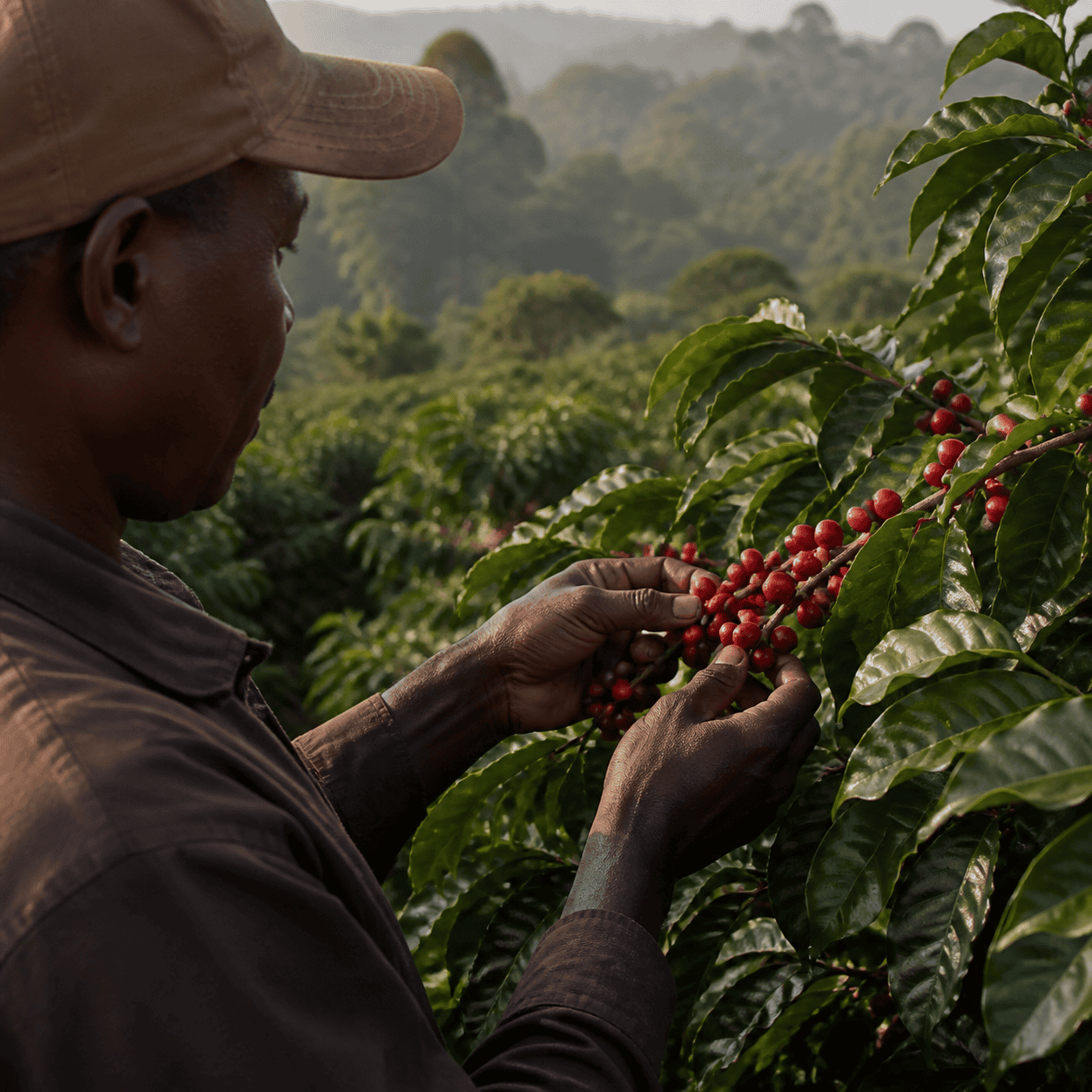
Your annual plantation coffee: The harvest purchased by the farmers is carefully processed and sent to you. As co-owners, you receive a full pound of freshly harvested, aromatic highland coffee from your plantation every year. You can request it easily using a voucher code – the usual shipping costs are simply added to the order.
Lord & Lady of Embu
The fruit and vegetable garden in Embu County: Sustainable growth in Mount Kenya
About 120 kilometers northeast of Nairobi, on the fertile slopes of Mount Kenya, is the second property we acquired. Here too, a deep well was built, but the daily use and organization are entirely the responsibility of the residents of the neighboring village:
Permanent support for seeds and toolsBudget is continuously flowing into the garden from the proceeds of the title awarding and the coffee sales. This ensures that there is always enough money available for fresh seeds, seedlings, fertilizer, and durable work equipment.
Autark food supply: The various vegetables, fruits and herbs grow in the fields. The villagers keep 100 of % their harvest for their own families. Lord of Embu: As Lord or Lady of Embu, you ensure this permanent support without taking away the people’s responsibility for their own lives.