Description
A fairy tale title,
very personally.
Become a count or the Countess of manor of Neuschwanstein – or surprise a child with a personalized prince or princess certificate, inspired by Bavaria’s most fairytale-like castle.

The inspiration behind a fairy tale icon
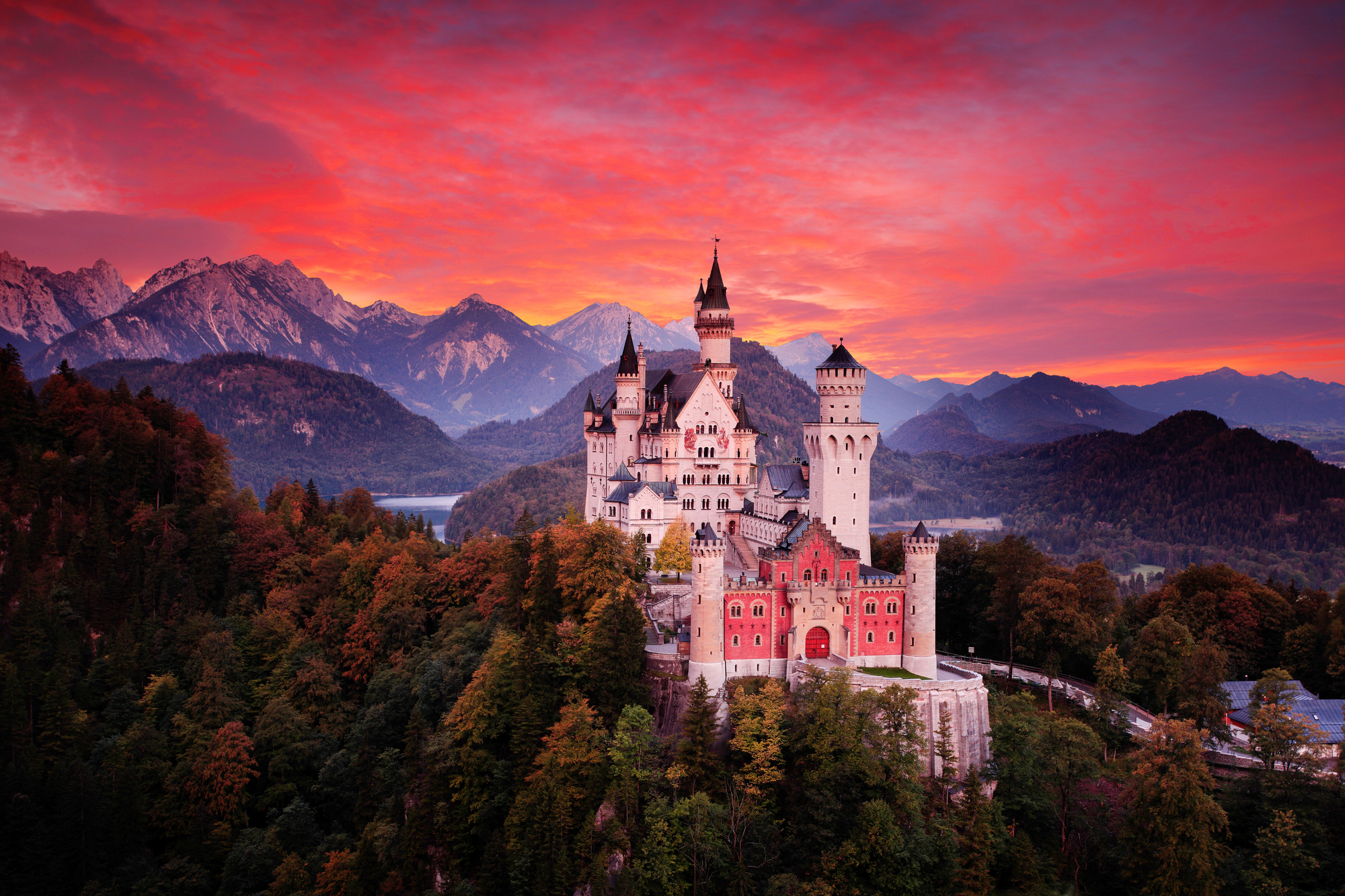
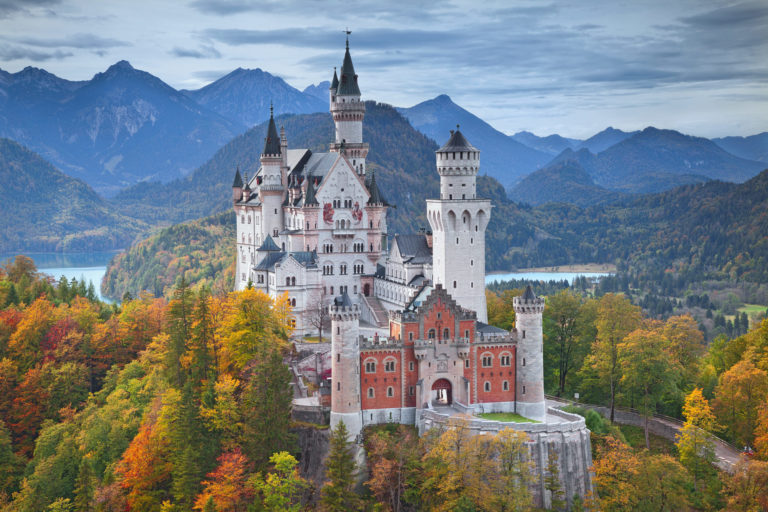
Neuschwanstein Castle is one of the most famous castles in the world and is widely considered to be an inspiration for Disney's fairytale castles.
Its towers, mountain backdrop and romantic silhouette have shaped the image of the fairytale castle for generations. Our title pack for Gut Neuschwanstein transforms this wonder into a personal gift designed to your own name.
Your complete Neuschwanstein set
More than one name: a carefully curated collection of personal details Certificate Coat of arms, background information, and your connection to Gut Neuschwanstein.

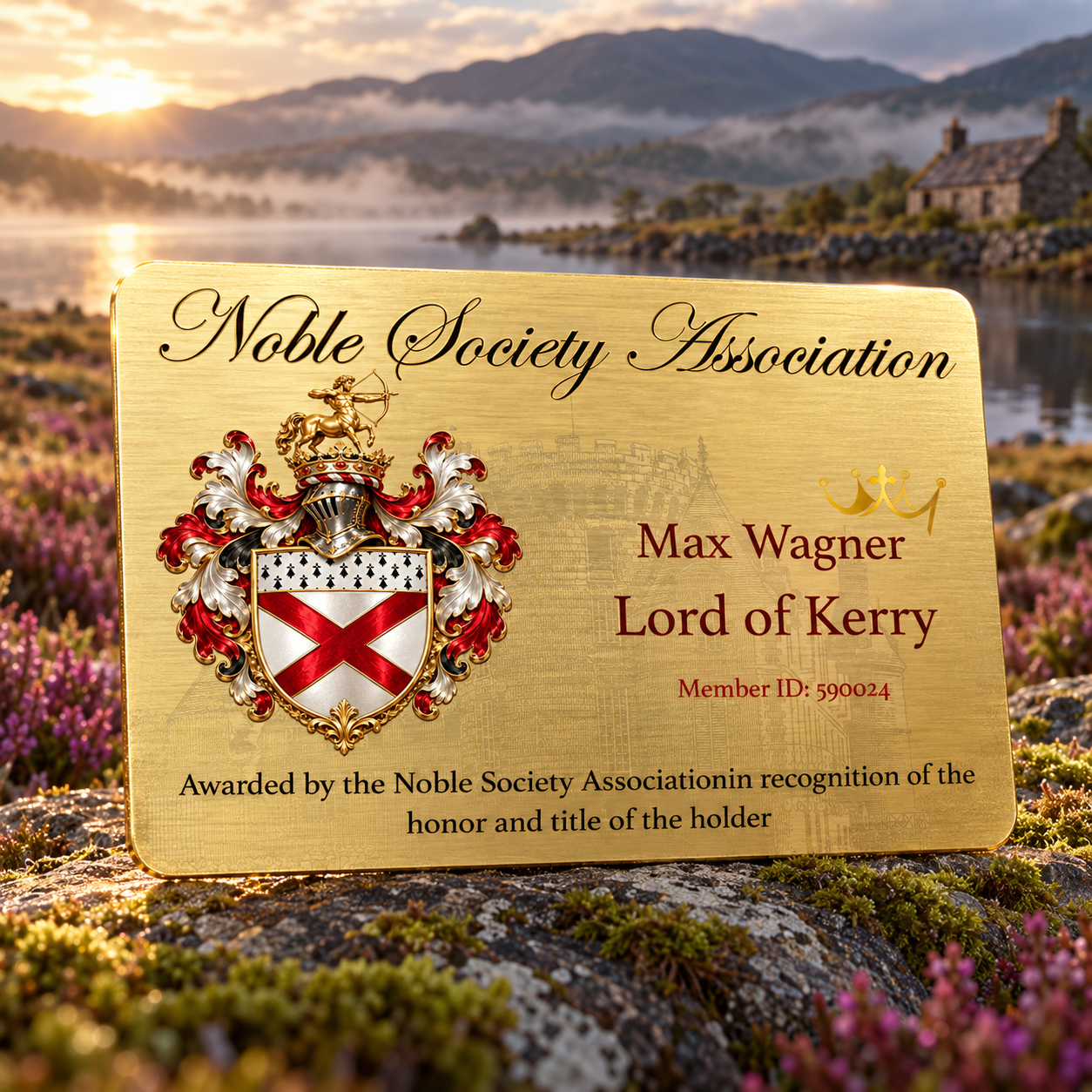
Personalized Certificate
Designed with your preferred name as a Count, Countess, Prince or Princess.
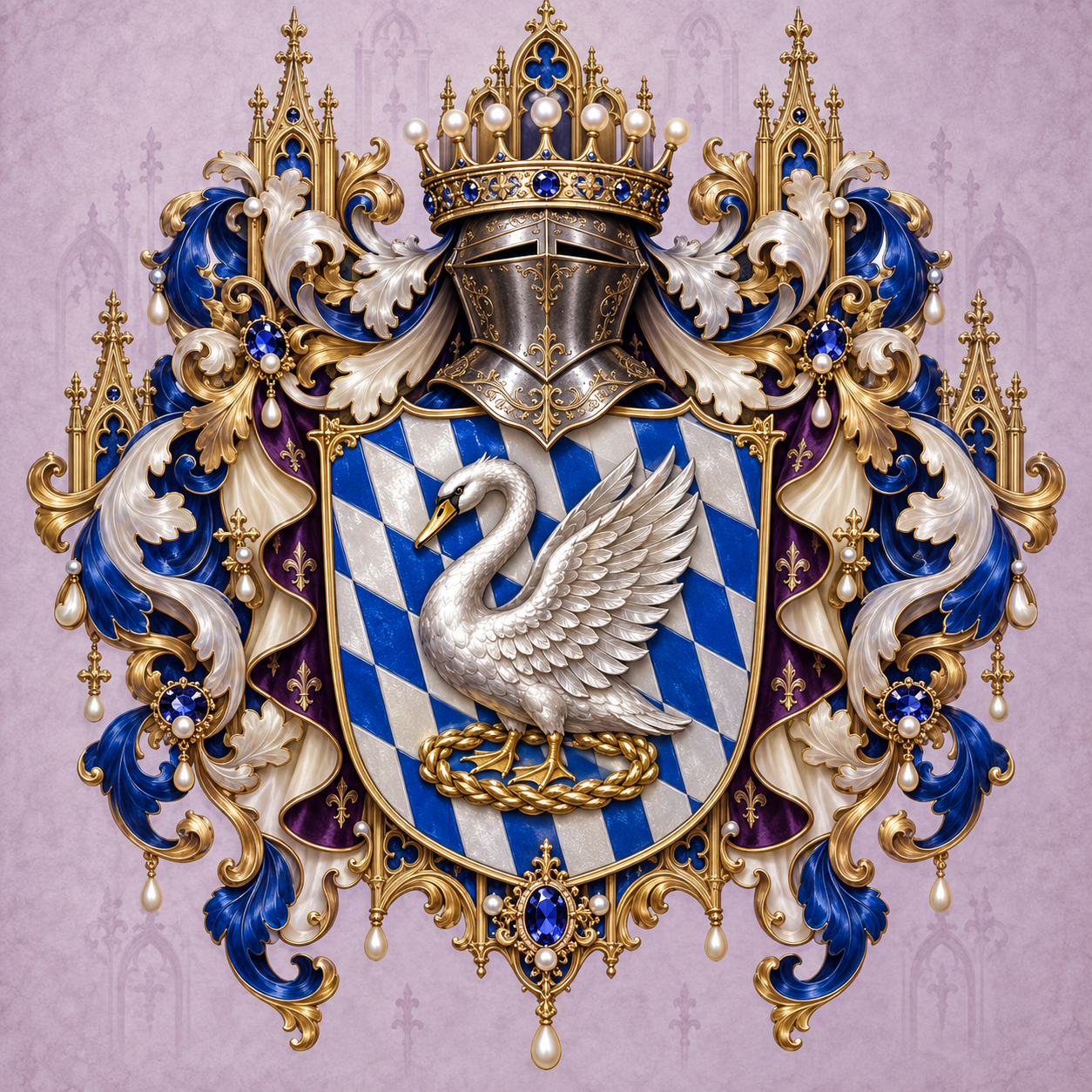
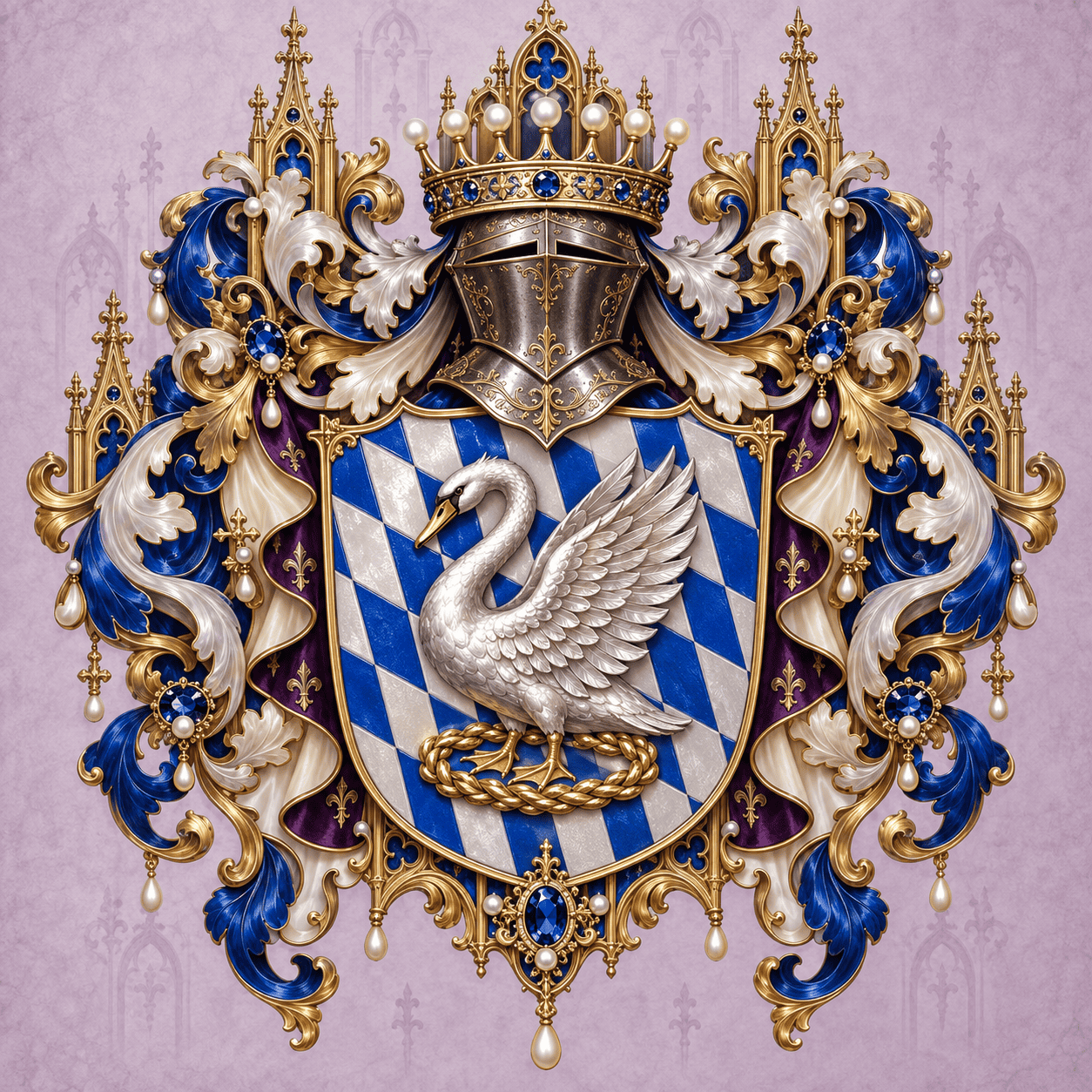
Coat of arms
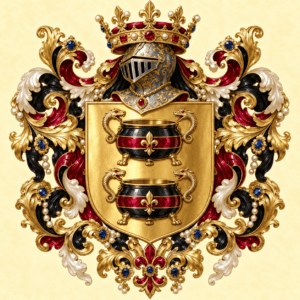
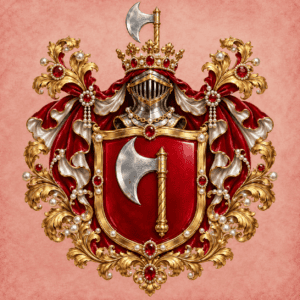
A colorful one Coat of arms accompanies your personal documents.

Connection to the property
Your package includes the documentation of your personal connection to Gut Neuschwanstein.

Options and accessories
Complete with printed documents, family records and selected personalized accessories.
Here's how it works
Select
Choose a Count or Countess for adults, as well as a Prince or Princess for children. Printed materials and personalized accessories can be added.
Personalize
Enter the name exactly as it should appear. One Partner certificate is included free of charge; additional Urkunden's for children, family members, or friends can easily be added.
Receive
Your personalized version Certificate is immediately available for download as a PDF. Upon request, the complete package can also be printed and delivered.

Children become the prince and princess of the fairy castle
For a child who loves castles, crowns, and fairy tales, there is hardly a more magical gift than their own name on a personalized royal crown Certificate.
The connection to Neuschwanstein makes the presentation immediately recognizable and full of imagination. It is suitable for birthdays, Christmas, the first day of school, family celebrations or simply as a wonderful surprise.
Add Urkunden for siblings or friends and create a whole little court of honor. The result is personal, decorative and becomes part of your family history.
Good Neuschwanstein
The ensemble connects your chosen title with our estate near the famous castle and transforms it into a stylishly presented personal story.
You receive the individually prepared documentation, informative background materials, and the one Coat of arms from Gut Neuschwanstein. The title is a distinctive personal style, a conversation starter, or an unforgettable gift.
One title, many unforgettable moments
Enjoy the title the way it suits you – as a personal statement, a playful family tradition, or a gift that will be remembered.
An extraordinary gift
For birthdays, weddings, anniversaries, Christmas and fairy-tale-loving families.
Your personal style
Use exactly the name that should Certificate appear on the personalized item.
Share the occasion
Involve your partner and add children, relatives or friends.
Castle, Coat of arms and personal history
Each part of the package tells its own story and gives the title a special framework.
Why Neuschwanstein is so famous
Built for King Ludwig II of Bavaria, Neuschwanstein became a symbol of a romantic fairy tale castle. Its towers and the dramatic Alpine landscape inspire artists, filmmakers, and theme park designers worldwide.
Yours Coat of arms
Coat of arms The Gut Neuschwanstein guide accompanies Certificate and lends the presentation a distinctive visual identity. It can be used with the personal documents and selected accessories.
For adults, couples and families
Adults can choose the title of Count or Countess, while children can become Prince or Princess of Gut Neuschwanstein. One Partner certificate is included, and additional Urkundenames for family or friends can be added.
Instant digital, printed on request
It Certificate is available immediately as a PDF download. Printed Certificaten-sized and full-size physical presentations are also available.
Where romantic imagination becomes personal identity
Neuschwanstein looks medieval, but was created in the 19th century by King Ludwig II out of a modern determination to transform legends, music, and theatrical images into stone. It was less a fortress for war than a private world for the imagination.
The history of Bavaria forms the deeper context: Dukes, counts, princes, royal residences and a heraldic tradition full of lions, rosettes and crowns. Neuschwanstein took on this heritage and made it something uniquely personal – a castle that almost seems like the signature of its creator.
It noble society institute draws its inspiration from this interplay of history and fantasy. Bavarian title traditions, heraldic principles and the Neuschwanstein image world form the starting point for Urkunden, Coat of arms and accompanying documents designed to match your desired name.
The result is a carefully prepared personal presentation of titles with atmosphere, craftsmanship and a personal story. It belongs in the present, but comes with a setting that surpasses most modern conceptions.
Bavarian inspiration
Royal residences, romantic legends and historical title traditions form the cultural framework.
Heraldic craft
A personal touch Coat of arms and insignia complement your title as an elaborate visual accompaniment.
Your personal presentation
UrkundeThe n and accompanying documents are designed individually to suit your preferred name.
Before your story begins
The most important answers – without a royal proclamation at all.
Which titles can I choose?
Adults can choose Graf or Countess of Gut Neuschwanstein. For children, prince and princess certificates create a particularly fairytale-like presentation.
What is included?
Included are your personalized booklet Certificate, the background information Coat of arms from Gut Neuschwanstein, and the documentation that comes with your package. A personalized booklet Partner certificate is included at no additional cost.
Can I add children, siblings, or friends?
Yes. Additional Urkundeitems can easily be added. This makes the package suitable for couples, siblings, friends, or the whole family.
How quickly are the documents ready?
Your personalized design Certificate is immediately available as a PDF download after ordering. Printed materials and selected accessories can be added for a physical presentation.
What can be personalized?
Enter the name exactly as it Certificate appears on the invitation. Depending on the selection, additional Certificaten's and accessories can be prepared to match the shared family history.
Where is Gut Neuschwanstein located?
The estate is located in the Bavarian Vorarlberg region, about 28 km (about 35 km by car) from Schloss Neuschwanstein. Its location and the history of the surrounding area are presented on the estate page.
GOOD NEUSCHWANSTEIN · BAVARIA
The country behind your title
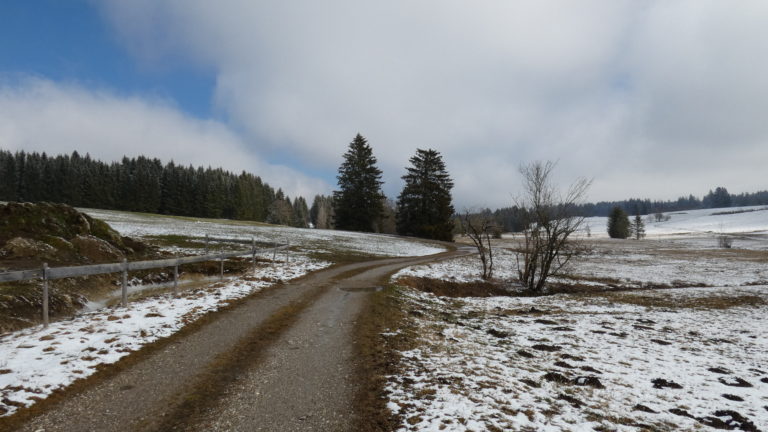
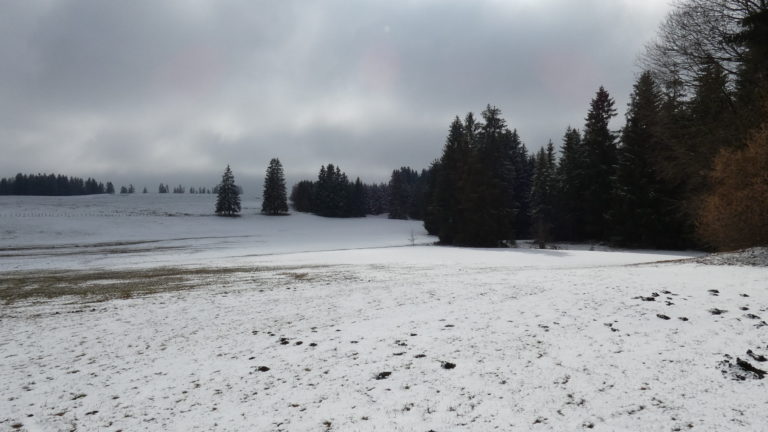
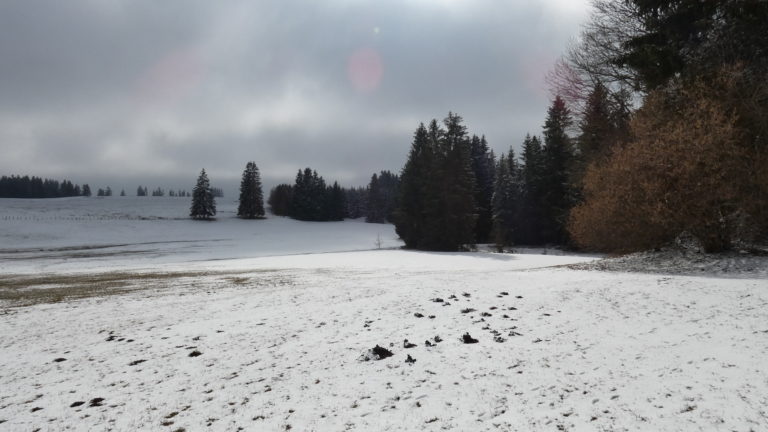
A true Bavarian landscape, a clear stream and the castle history that gives your personal presentation of Neuschwanstein its distinctive framework.

YOUR BEYERIAN CONNECTION
Approximately 28 km from the castle
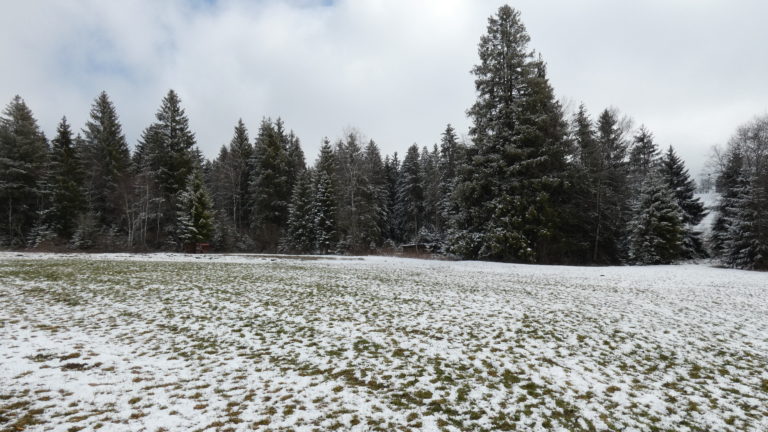
Gut Neuschwanstein lies among trees on a clear stream in the Bavarian Alpine landscape. It forms the geographical connection behind the title presentation: quiet, green, and close enough to the famous castle so that mountains and history seem like parts of the same narrative.
The package documents your connection to the property. Visitors can walk, observe birds and wildlife, picnic, or camp, provided they treat the land and its surroundings respectfully.
Coordinates: 47°40’38.0″N 10°25’04.6″E
View in Google Maps
IMAGES OF THE GOOD
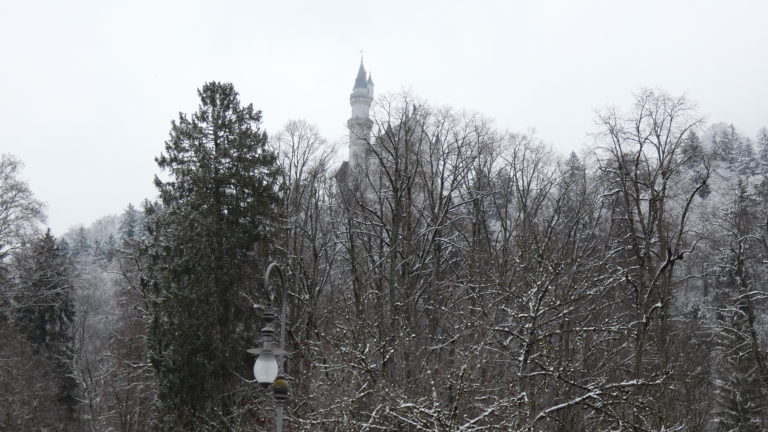
NEUSCHWANSTEIN CASTLE
A royal world of legends
After 1866, King Ludwig II began planning his idealized medieval retreat. He found inspiration in German legends, the operas of Richard Wagner, and the dramatic Alpine landscape.
The foundation stone was laid in 1869. The difficult mountain location, the elaborate interior spaces, and the constantly evolving ideas of the king made the construction an extraordinary project.
From Hohenschwangau to Neuschwanstein
Ludwig spent part of his childhood at Schloss Hohenschwangau, surrounded by painted scenes of medieval legends. The nearby ruins and mountain views became the backdrop for his own vision of an ideal knightly castle.
The influence of music and theater
Wagner's works with the stories of Lohengrin and Tannhäuser shaped the spaces and motifs of the project. The theater painter Christian Jank helped translate this dramatic presentation into architecture.
A castle ahead of its time
Behind its medieval appearance, the castle featured modern technology and comfort. Steel structures were needed for the grand throne room, while the interior spaces continued to evolve with Ludwig's growing vision.
The fairytale silhouette
The towers, courtyards and the location in the mountains shaped the modern image of a romantic fairy-tale castle and continue to inspire visitors and designers from all over the world to this day.
Ten things that Neuschwanstein forgot to mention
A fairytale castle without a throne, a private cave and a king who barely had time to unpack.

01Disney was inspired
The castle has become a symbol of fairy tales worldwide – and its silhouette probably looks familiar to you.
Neuschwanstein is often considered an inspiration for Disney's fairytale castles, especially the castle from Sleeping Beauty. Walt Disney traveled around Europe; the Bavarian landscape with its towers, steep roofs and dramatic location became part of this visual world.
The journey from one castle to another is less linear than the popular narrative suggests. Disney artists combined several European models. However, Neuschwanstein provided the decisive atmosphere: a castle that more closely resembled the moment before the first orchestral chord than a fortress.
That is remarkable for a retreat that a king had built for his privacy. Ludwig created a place away from the world – and the world made it the international symbol of „Once upon a time“.
02A castle in the logo
Spiky towers, unlikely romance, and a very memorable image made Neuschwanstein immediately recognizable.
The outlines of Neuschwanstein are so well known that a few towers and curved roofs are enough to recognize it again. The castle is thus the architectural counterpart to a very successful signature.
Fairytale image worlds love the same ingredients as Ludwig II.: high towers, mountain landscapes, dramatic entrances and roofs where purposefulness of effect can be allowed to prevail. That’s why Neuschwanstein works in logos, posters and window displays, even though it is never exactly copied.
Only a few buildings become a visual adjective. Neuschwanstein has achieved that: A slender tower is enough – and you immediately expect princesses, fanfare, and strikingly well-organized forest animals.
03The Throne Hall without a Throne
The room was magnificently decorated; only the throne itself never received an invitation.
Neuschwanstein features an exceptionally ornate throne room: mosaics, columns, a massive chandelier, and a golden apse that was meant to showcase royal authority. What is missing is the throne.
Ludwig died before the planned seating arrangement could be set up. So a space remained that had fully prepared itself for his royal appearance, while the most important seating arrangement never arrived.
The empty space gives the hall a special effect today. Perhaps this is the most magnificent example in history of covering the table and forgetting the chair.
04A private cave with atmospheric lighting
Ludwig had an artificial grotto built between the rooms because a regular hallway did not offer enough drama.
Between the study room and the salon, Ludwig created an artificial grotto with rocks, a small waterfall, and colored lighting. An ordinary connecting passage was apparently not dramatic enough for him.
The cave evoked the magical worlds of Wagner's operas and transformed the passage between the two rooms into a private stage set. However, in order for the illusion to work, very real technology was needed: water pipes and lighting.
Most people light a dark hallway with a lamp. Ludwig had a theater cave built. Ambition is hard to criticize.
05Medieval exterior, modern interior
Running water, heating and telephones were hidden behind all that fairytale-like masonry.
Neuschwanstein was designed as an idealized medieval castle, but it contained remarkably modern amenities. There was running water, toilets with flushing systems, hot-air heating, and 19th-century communication systems.
Ludwig wanted the romance of the Middle Ages, but without all the historical inconveniences. Knights and legends appeared on the walls; behind them, much better-trained leaders were at work.
That makes sense: Nostalgia is best enjoyed when the bathroom works. Neuschwanstein wears the costume of the 12th century, but quietly checked inside to see if the heating was already on.
06Ludwig slept there only eleven nights
Years of planning created a dream house that the king could hardly experience anymore.
Construction began in 1869 and lasted many years. However, Ludwig II spent very little time on his grand project; only a total of eleven nights are recorded before his death in 1886.
This gives the castle a melancholic imbalance: immense care, cost, and imagination went into a home that its creator could hardly inhabit.
Anyone who has ever experienced a long renovation will recognize the pattern – even if most projects do not involve a throne room, a private grotto, or a mountain.
07Tourists arrived seven weeks later
The private retreat became almost immediately a public attraction shortly after Ludwig's death.
Ludwig had Neuschwanstein built as a private retreat. After his death on June 13, 1886, it took exactly seven weeks for the unfinished castle to open to paying visitors on August 1, 1886.
The opening was supposed to help manage the debts of the royal construction projects, and public interest was immediately enormous. Ludwig wanted to withdraw from an intrusive world; the world bought a ticket and joined the leadership.
08Art theft camps during the Second World War
During the Second World War, the Nazi regime used the castle's remote location as a central repository for looted art.
The notorious „Staff of Reichsleiter Rosenberg“ (ERR) stored thousands of works of art, libraries, and cultural treasures in Neuschwanstein that had been looted from Jewish families and collectors in occupied France.
Towards the end of the war, the collections were secured and catalogued by the Allied art protection officers („Monuments Men“) in order to return them to their rightful owners. A dark historical chapter that shows how a romantic retreat for the crimes of the dictatorship was instrumentalized.
09Most of the rooms remained unfinished
The exterior promises a kingdom; large parts of the interior continued to await completion.
Ludwig's plans were considerably larger than the castle that visitors see today. Neuschwanstein was still under construction at the time of his death; numerous rooms, towers, and design ideas were never realized.
The few finished interior spaces are so extravagantly elaborate that one can easily assume that the entire castle was completed. In fact, most of the rooms remained unfinished.
10A theater painter designed it first
Before the architects worked out the plans, a theater painter gave Ludwig's fantasy form.
Ludwig's first vision was translated into dramatic visual representations by Christian Jank, a theater painter of the Munich court theaters. Only then did architects such as Eduard Riedel and Georg von Dollmann take on the structural implementation.
Neuschwanstein therefore began as a gigantic three-dimensional stage set. Jank masterfully managed to create atmosphere and visual effects – engineers and builders had to follow the image on the cliff face.