


Description
Information about the family history and the coat of arms
Family history
▼
Family history Count of Henneberg
The Counts of Henneberg – The Henne over the Wald and Werra
The counts of Henneberg appear in 1049 with Poppo I. Their early possessions lay around the castle of Henneberg, southwest of Meiningen. They were probably related to the Ostfrisian Babenbergers. As followers of the Emperor, they gained royal fiefs and the Burgrafenamt of Würzburg during the Investiture Dispute. Godebold II founded the monastery of Veßra in 1131, the spiritual center and burial place of the house.
In the 12th and 13th centuries, the counts from Güter von Würzburg, Bamberg, Fulda and Hersfeld formed a territory between the Thuringian Forest, the Rhön and the Grabfeld. Poppo VII. had the Bertholdsburg built in Schleusingen between 1226 and 1232. It became the main residence for three centuries. At the same time, the family replaced the imperial eagle with Coat of arms a red bird on gold – an evocative symbol of speech.
After the division in 1274, the lines Schleusingen, Aschach-Römhild and Hartenberg were formed. Berthold VII of Henneberg-Schleusingen was one of the most influential princes of his time: he advised kings, served as guardian to Ludwig of Bavaria and was granted the title of prince in 1310. The territory around Coburg formed the „New Rule“, which later, through marriage, passed to the Wettin family.
Culture and imperial policy also influenced the house. Otto von Botenlauben was a crusader and minnesinger. Berthold von Henneberg, Archbishop and Elector of Mainz since 1484, campaigned for a reform of the empire. In Schleusingen, the counts promoted schools, churches, and administration; mining and ironworking strengthened the region.
Graf Georg Ernst introduced the Reformation in the 16th century and united large parts of the Hünfeld estate in 1549. Since he left no children, succession was governed by inheritance contracts. After his death in 1583, the territories went primarily to the Saxon Wettin dynasty, while Hesse received its share of Schmalkalden. Today, the castles of Henneberg, Kloster Veßra, Bertholdsburg and the Thuringian State Archives preserve the legacy of a house that permanently shaped southern Thuringia.
Sources: Deutsche Biographie, Thuringian State Archives, Museums of Thuringia, Thuringian State Office for Statistics
Coat of arms & Heraldry
▼
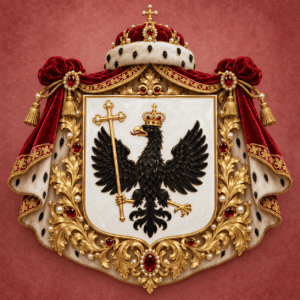
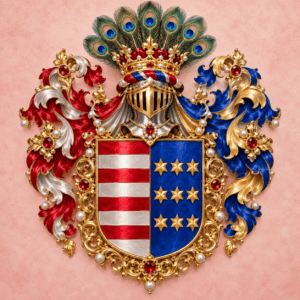
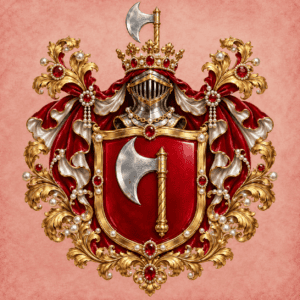
Family coat of arms Count of Henneberg
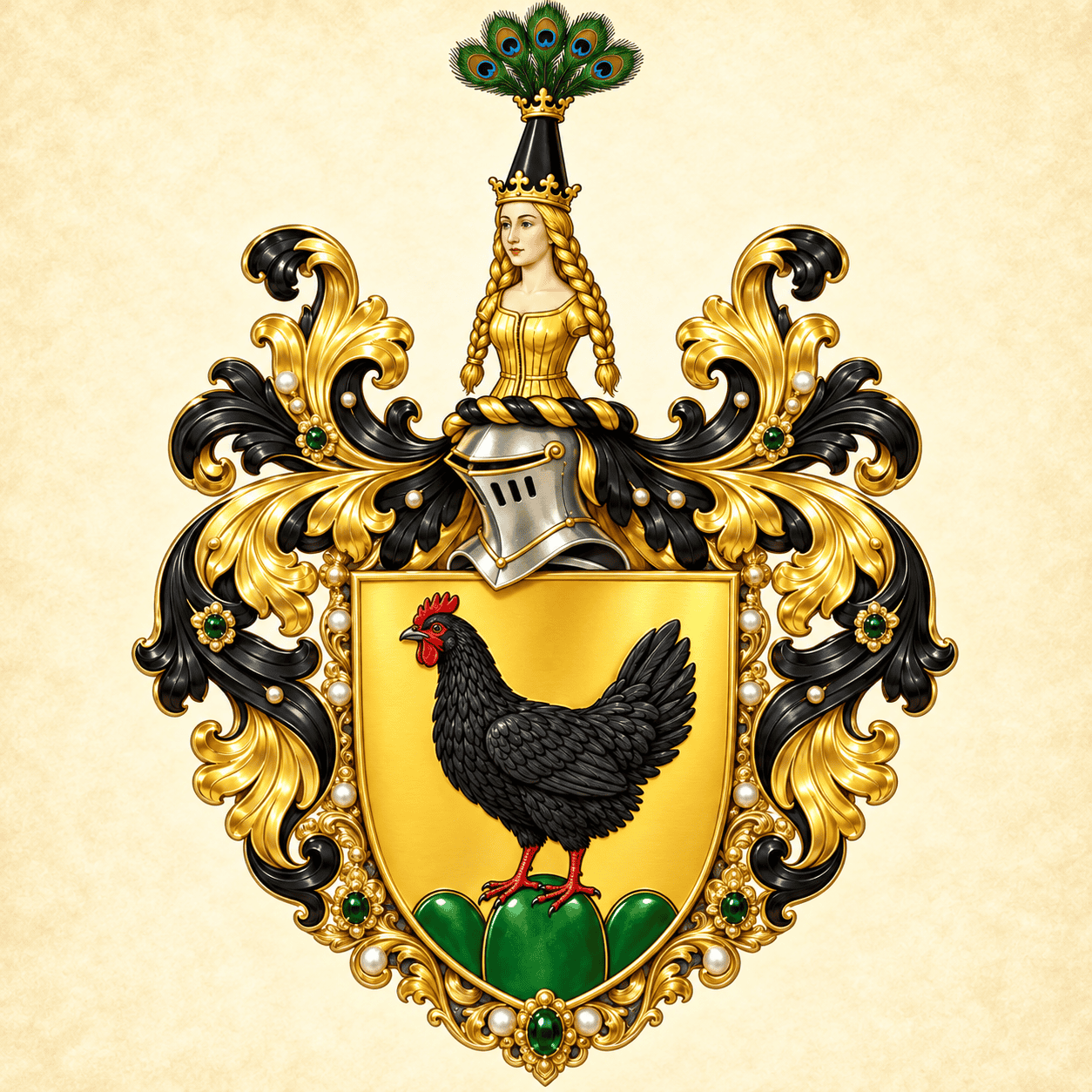
The speech Coat of arms of the medieval counts of Henneberg with the Henne on the Dreiberg.
In gold on a green three-pronged crest, a black hen with a red comb and red crests; on the helmet, with black-gold covers growing from a golden crown, a golden female figure with long golden braids; on the crowned head a black pointed hat, topped with another golden crown and a peacock feather crest.
The counts of Henneberg have been reliably documented since the late 11th century.
Sources: Historical Lexicon of Bavaria, Counts of“, on the development from the older coat of arms to the hen image and to later Wappenaugmentations, Foundation of Thuringian Castles and Gardens, description of shield, maiden's head, pointed hat, crowns, peacock feathers and black-gold-colored tapestries, Archive portal Thuringia, historical seal description „Hen on Dreiberg“, Eckart Henning
Overview of your title package
What the title of nobility contains
Discover the fascination of historical noble titles. With each appointment, you receive a first-class package that perfectly combines tradition, personal recognition, and stylish representation:
Your certificate
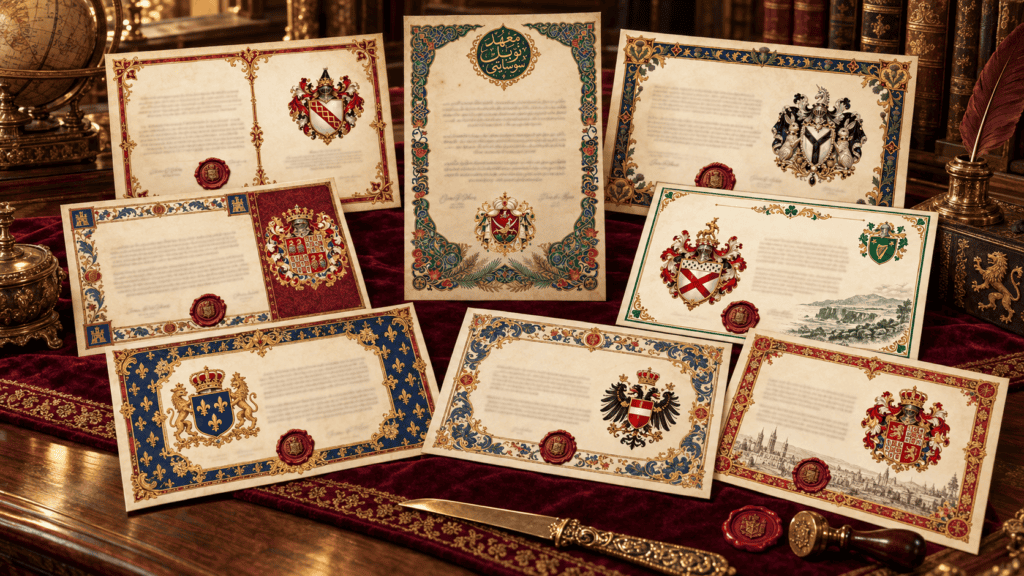
Authentic design with a historic flair: For each region, we create a certificate of appointment in the distinctive, country-specific style – complete with the appropriate coat of arms of your chosen title.
Share this special moment: Upon request, you will receive a free partner certificate and certificates for your children, so that the whole family can participate in the tradition.
Your own coat of arms
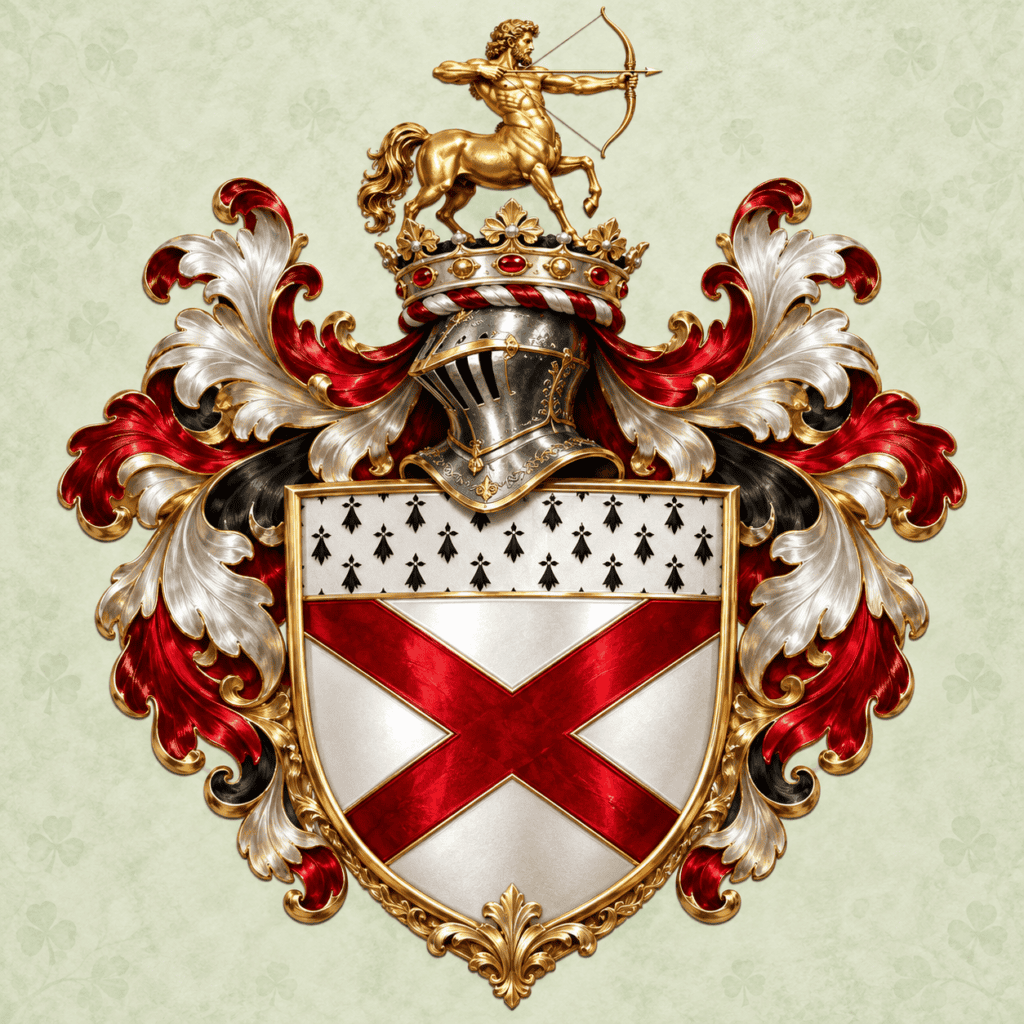
Each title comes with the corresponding historical coat of arms, which you receive as a high-resolution file. You can use it completely freely in private and professional contexts – whether on letterhead, business cards, or seals.
The Companion Book
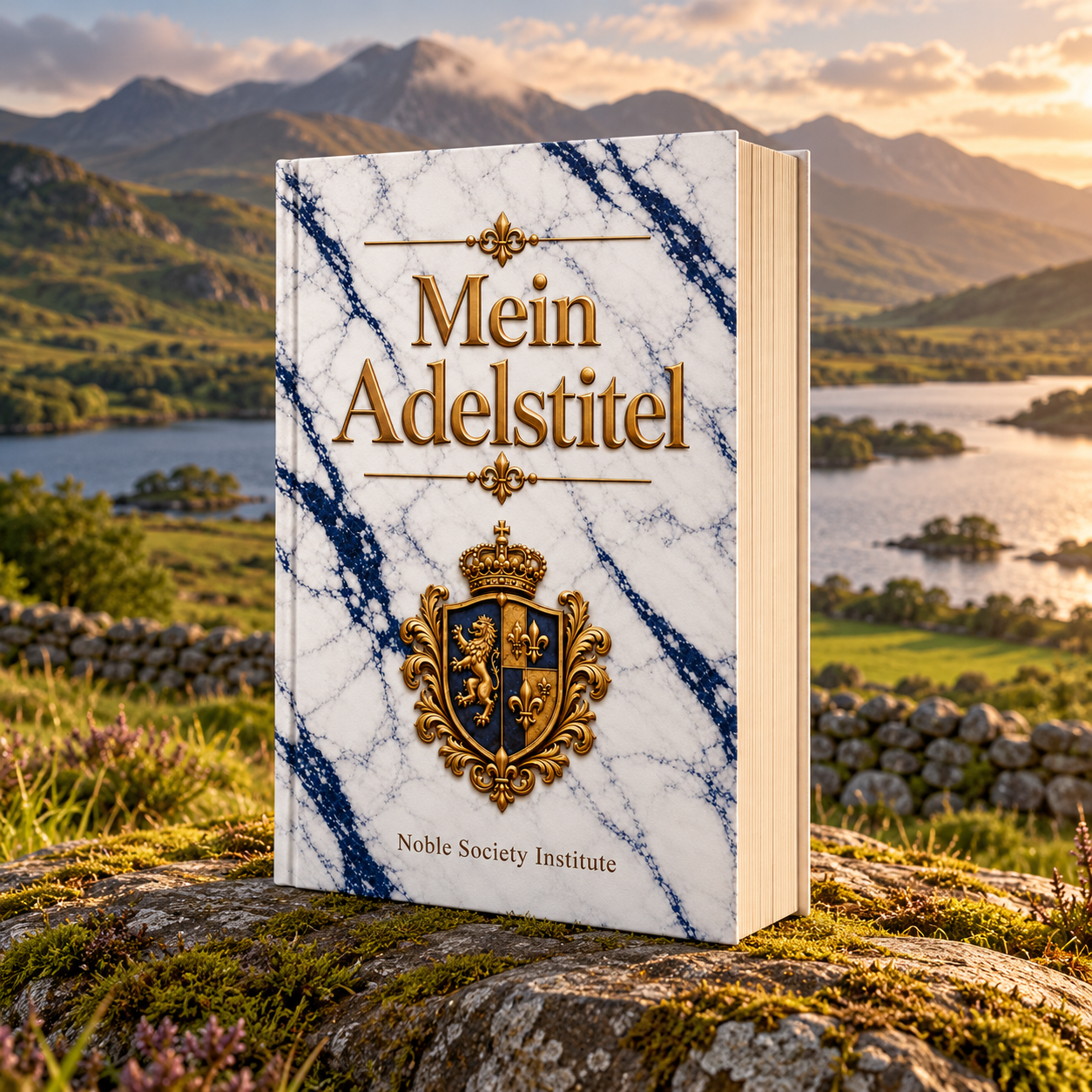
The book „My Title“ takes you in detail into the multifaceted world of your new aristocratic title and offers valuable practical tips for everyday life, stylish guidance, and background information on history.
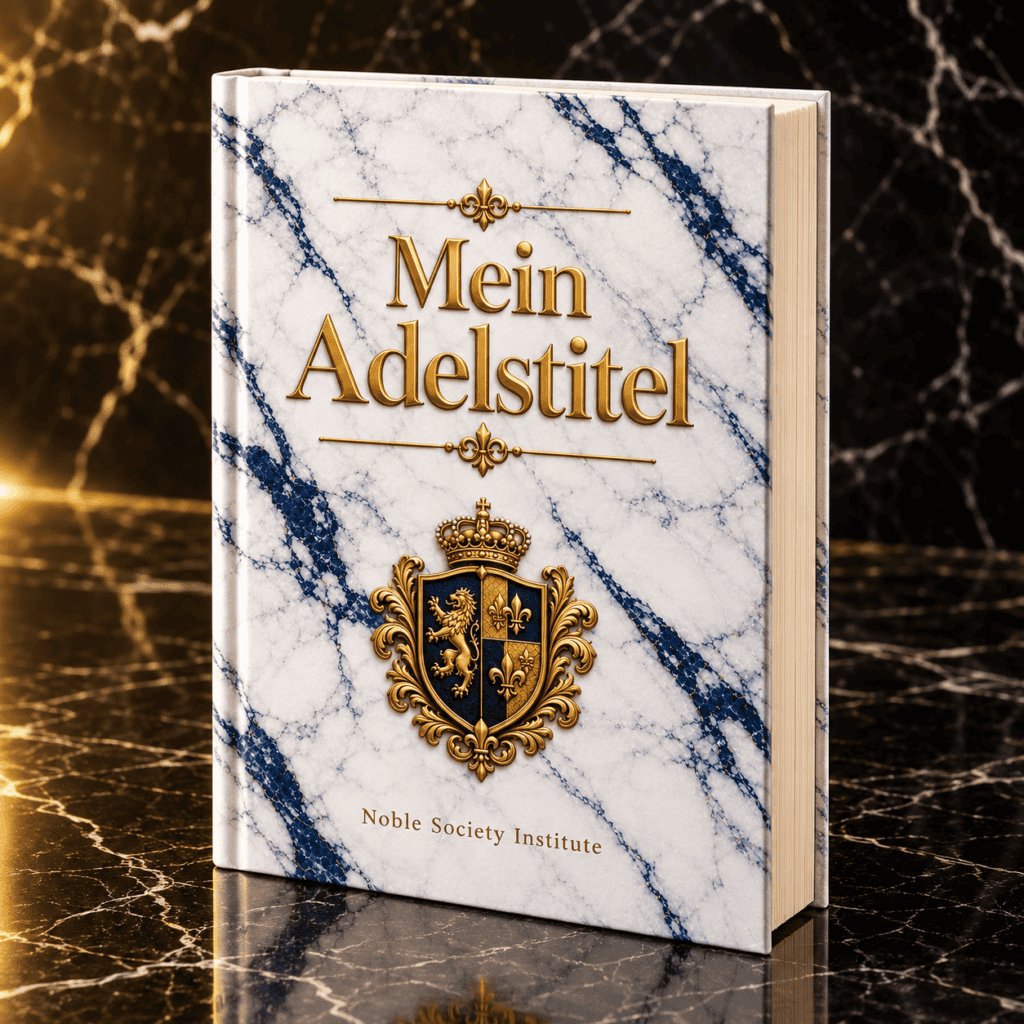
Our accessories
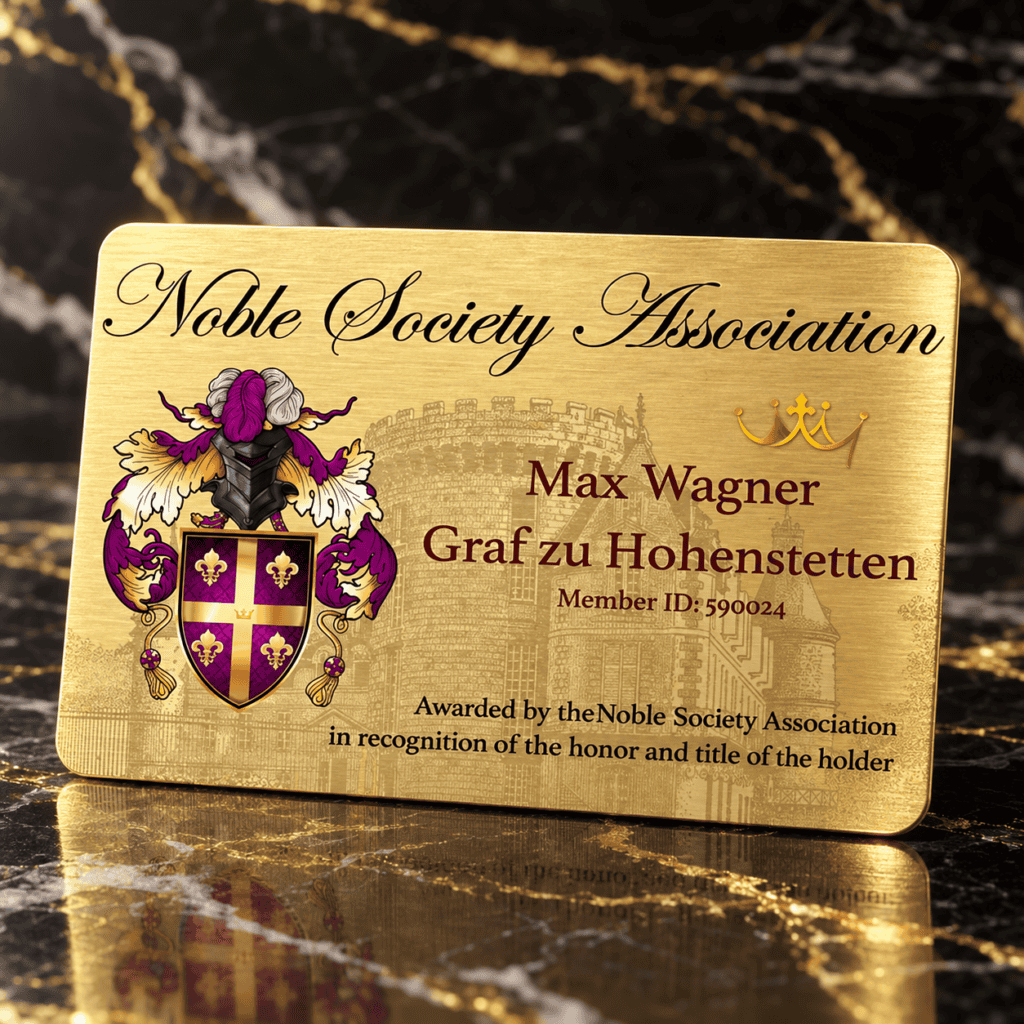
Golden ID Card
Crafted from premium aluminum in business card format, the gold ID Card makes your title look stylish and mobile.
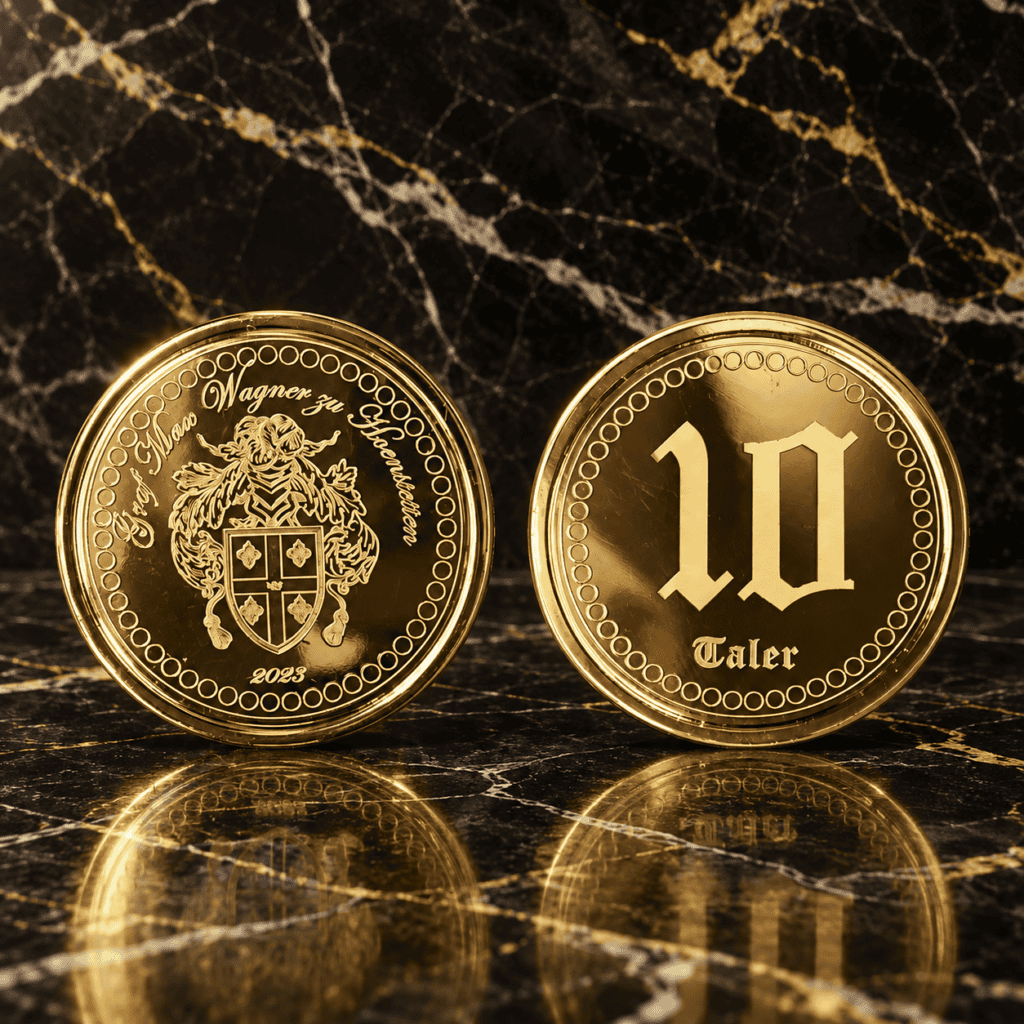
Gold coins
Fine gold and silver-plated medallions combine coats of arms, names and titles in a glossy, unique design.
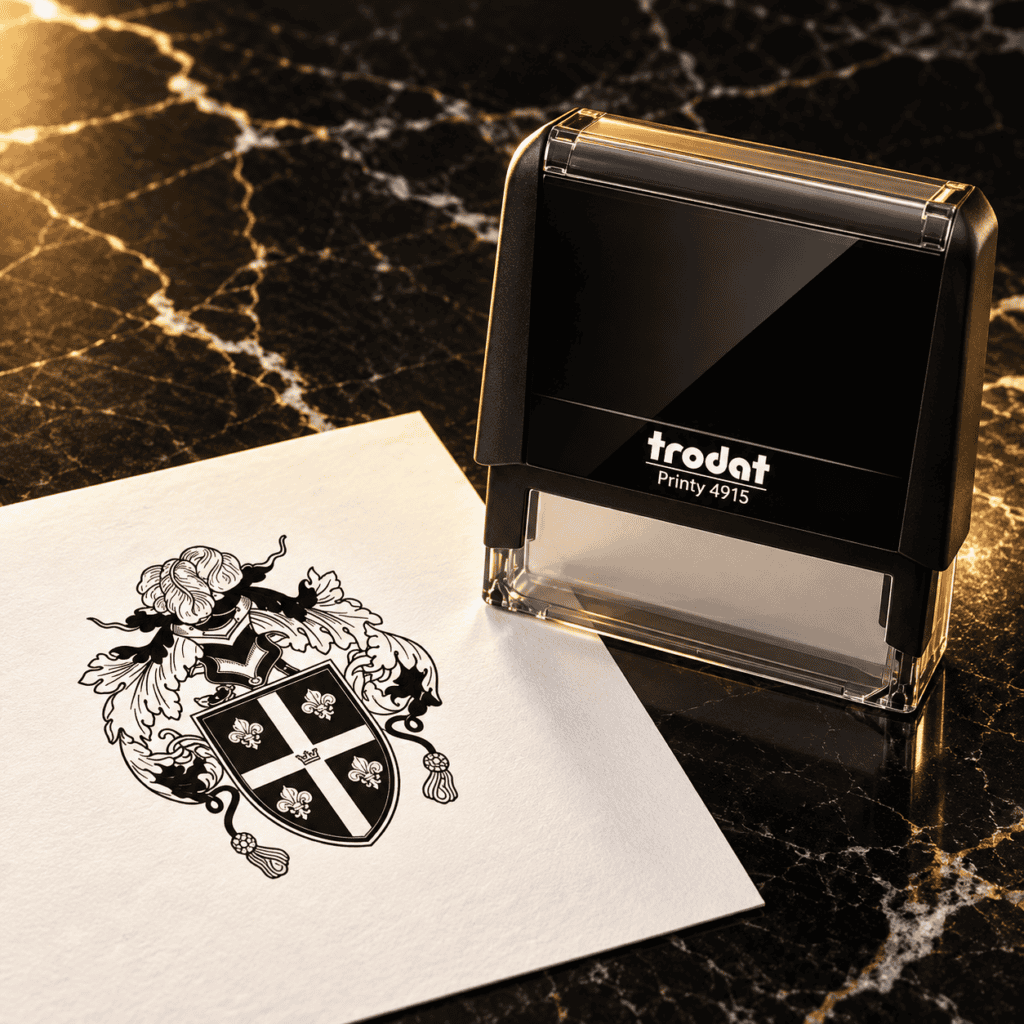
Emblem stamp
The self-inking stamp quickly, cleanly and precisely transfers your personal emblem onto letterhead paper.

My own wine
Choose fine red or white wine with an elegant, personalized label for a stylish look.

Wappen Gläser
The masterfully engraved wine glasses display their coat of arms, name and title in stunning brilliance.
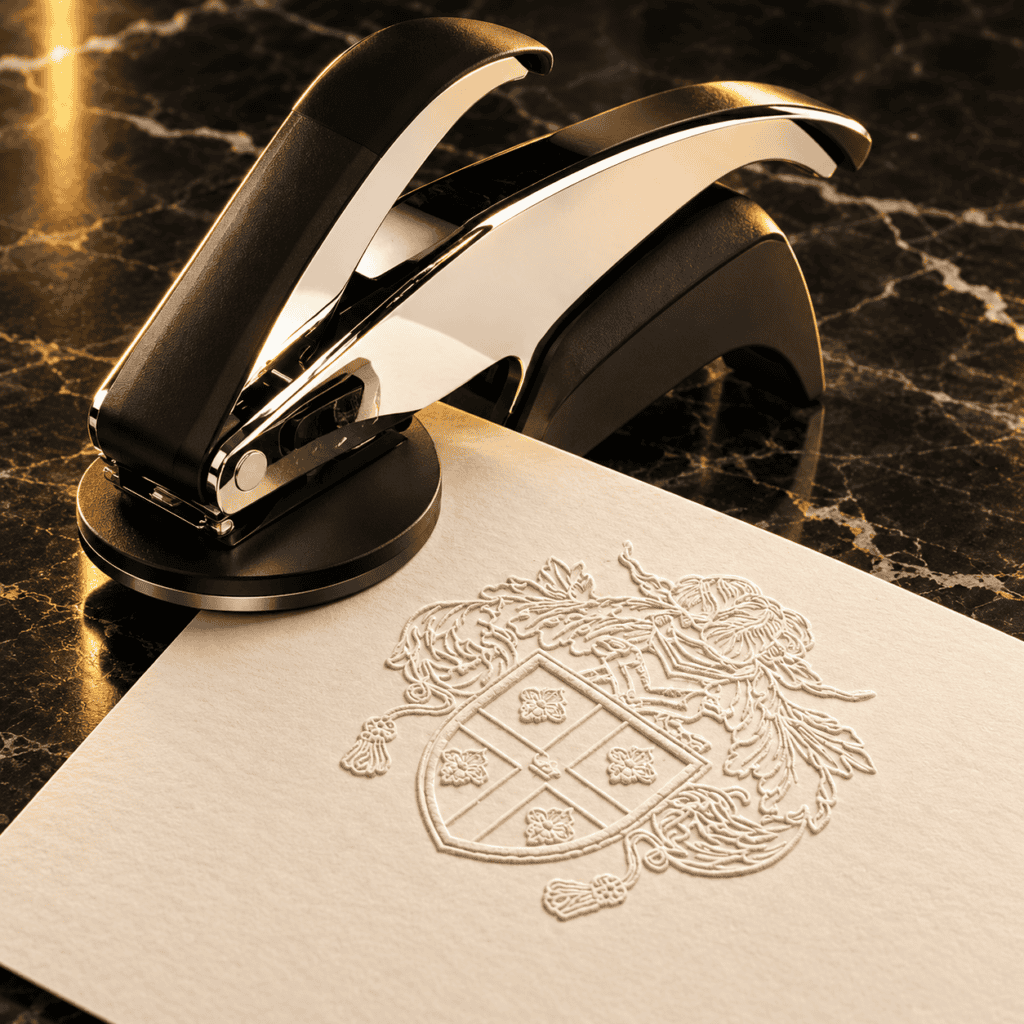
Precision pliers
The elegant embossing pliers embellishes letterheads or documents with a tactile, colourless relief embossing.
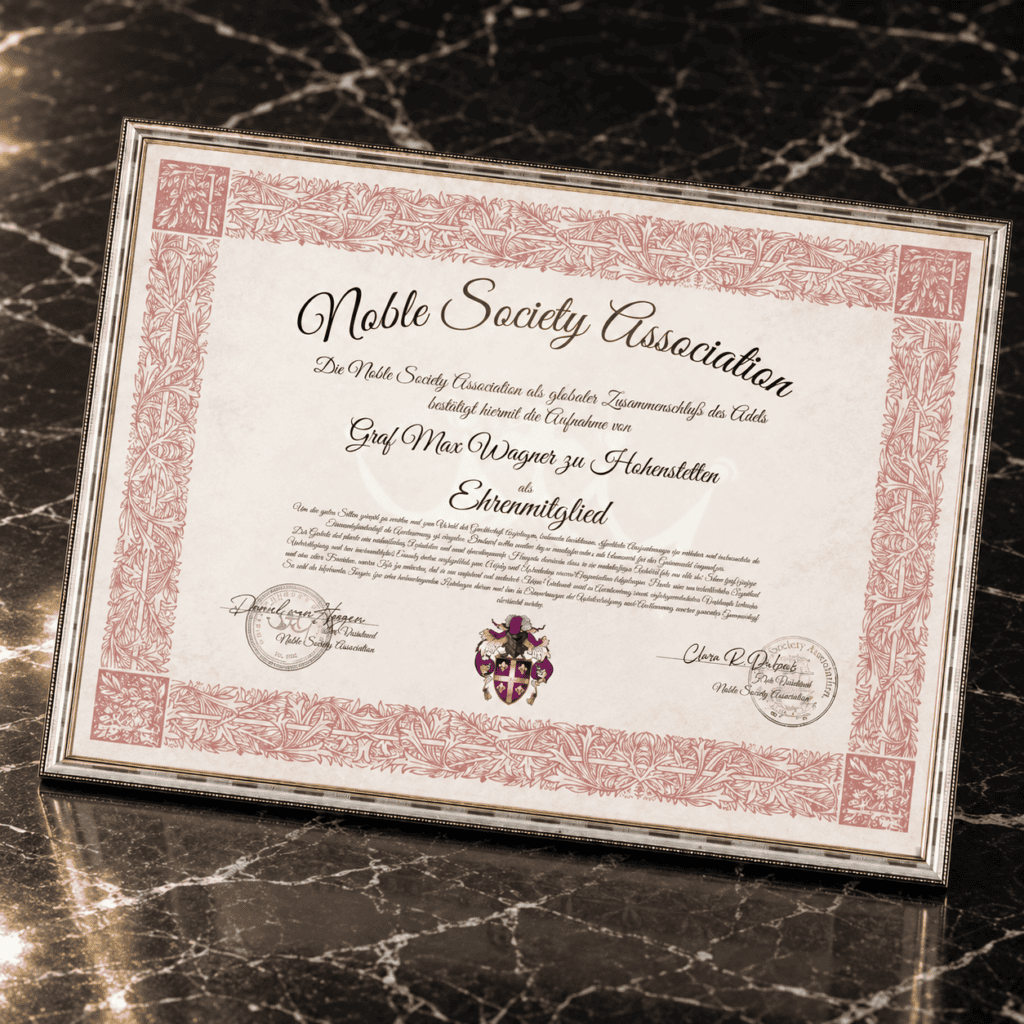
Honorary membership
Membership of the Noble Society Institute enriches your title with another dimension of exclusive representation. Validated by a magnificent certificate in your name, with no ongoing fees or obligations.