

Description
Information about the family history and the coat of arms
Family history
▼
Family history of the Daimyo of Kamakura
Daimyō of Kamakura
Die Geschichte der Herrscherfamilien von Kamakura beginnt mit dem Minamoto-Haus, dessen Verbindung zu dem Küstenort bis ins 11. Jahrhundert zurückreichte. Den entscheidenden Aufbruch wagte Minamoto no Yoritomo: Nach langen Jahren im Exil sammelte er 1180 seine Gefolgsleute und machte das von Bergen und Meer geschützte Kamakura zu seinem Hauptsitz. Mit Tatkraft, politischem Geschick und einem treuen Kreis von Samurai formte er hier Japans erste dauerhafte Kriegerregierung. 1185 setzte er in den Provinzen Verwalter und Schutzbeamte ein; 1192 erhielt er den Rang eines Shōgun.
Auch das Stadtbild trug die Handschrift seiner Familie. Die breite Wakamiya-Ōji führte zum Heiligtum Tsurugaoka Hachimangū, während Residenzen, Tempel und Verwaltungsgebäude Kamakura zu einem glänzenden politischen Mittelpunkt machten. Auf Yoritomo folgten seine Söhne Yoriie und Sanetomo. Gemeinsam stehen diese drei Generationen für den kraftvollen Beginn einer neuen Epoche, in der die Samurai das politische Leben Japans dauerhaft prägten.
Danach trat die mit den Minamoto eng verbundene Familie Hōjō in den Vordergrund. Yoritomos Gemahlin Hōjō Masako und ihr Vater Tokimasa gestalteten den Übergang; als Regenten lenkten die Hōjō fortan die Regierung. Hōjō Yasutoki schuf 1232 ein wegweisendes Rechtswerk für die Samurai und förderte Hafen und Verkehrswege. Unter Hōjō Tokimune behauptete sich Japan im 13. Jahrhundert gegen zwei mongolische Invasionsversuche. Gleichzeitig blühten Handel, Zen-Buddhismus, Baukunst und Bildhauerei.
1333 schloss sich das politische Kapitel der Kamakura-Regierung. Ihr Vermächtnis blieb jedoch lebendig: Die von Minamoto und Hōjō geformte Samurai-Kultur, ihre Tempel und ihre Vorstellungen von Verwaltung und Pflicht prägten Japan noch viele Jahrhunderte. Kamakura bewahrt diese eindrucksvolle Familien- und Herrschaftsgeschichte bis heute.
Sources: Stadt Kamakura (city.kamakura.kanagawa.jp), Japanische Nationalbibliothek (ndl.go.jp), Nationalmuseum für Japanische Geschichte (rekihaku.ac.jp)
Coat of arms & Heraldry
▼
Family coat of arms of Daimyo of Kamakura
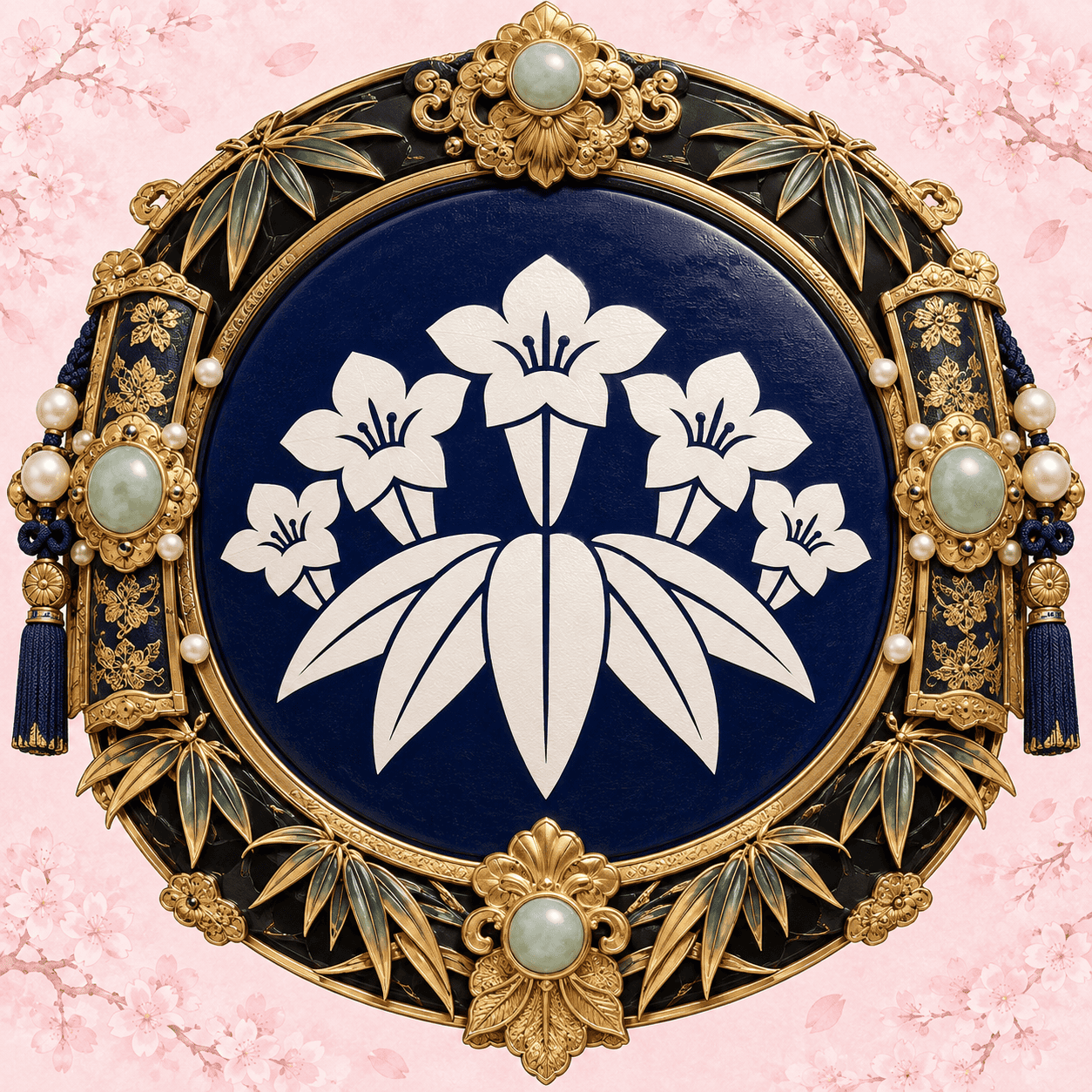
Das Sasa-rindō-Mon der Minamoto als historisch passende Zuordnung zum Kamakura-Shōgunat.
Auf einer runden indigoblauen Lacktafel ein weißes, kreisförmig geordnetes Sasa-rindō aus stilisierten Enzianblüten über Bambusblättern; darüber ein schwarzer Kabuto mit goldenem Kuwagata, begleitet von indigoblauen Schnüren sowie Bambus- und Wellenornamenten.
Minamoto no Yoritomo begründete das Kamakura-Shōgunat. Das Sasa-rindō wird der Minamoto-Tradition und dem Kamakura-Shōgunat zugeordnet; ein europäisches Wappensystem bestand nicht.
Sources: Kamakura City, Tokyo National Museum, Sano Art Museum
Overview of your title package
What the title of nobility contains
Discover the fascination of historical noble titles. With each appointment, you receive a first-class package that perfectly combines tradition, personal recognition, and stylish representation:
Your certificate
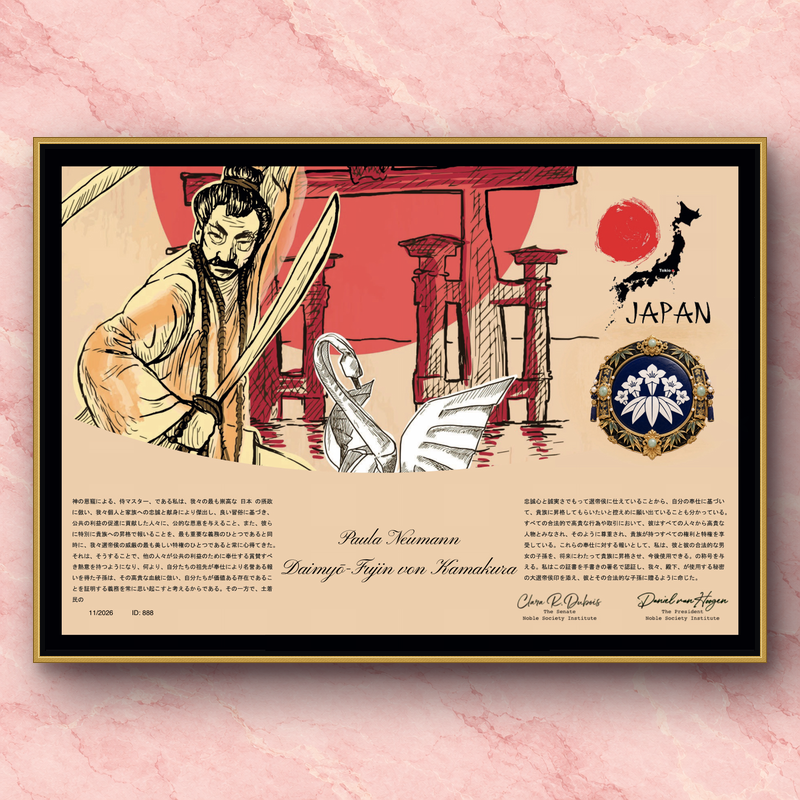
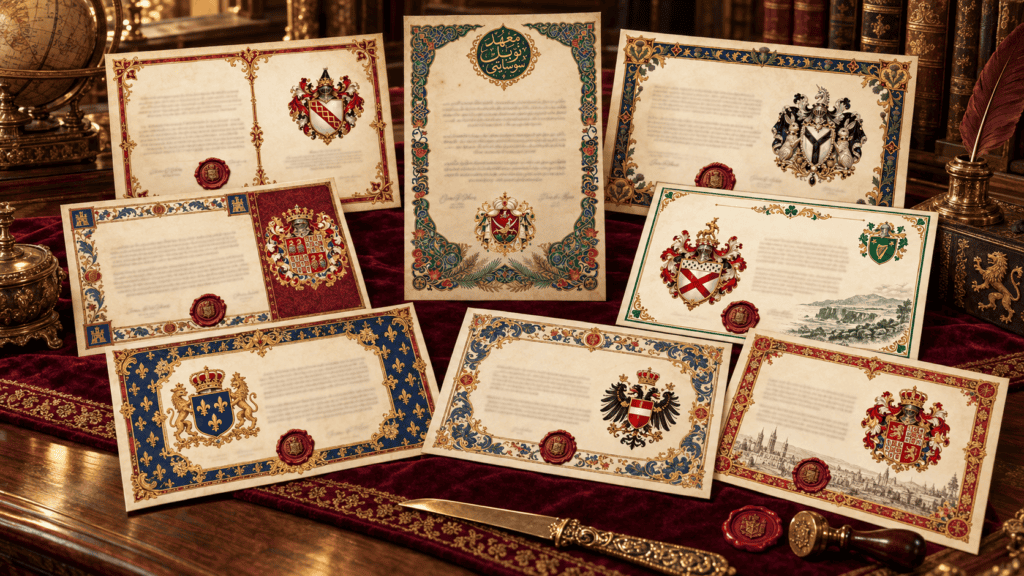
Authentic design with a historic flair: For each region, we create a certificate of appointment in the distinctive, country-specific style – complete with the appropriate coat of arms of your chosen title.
Share this special moment: Upon request, you will receive a free partner certificate and certificates for your children, so that the whole family can participate in the tradition.
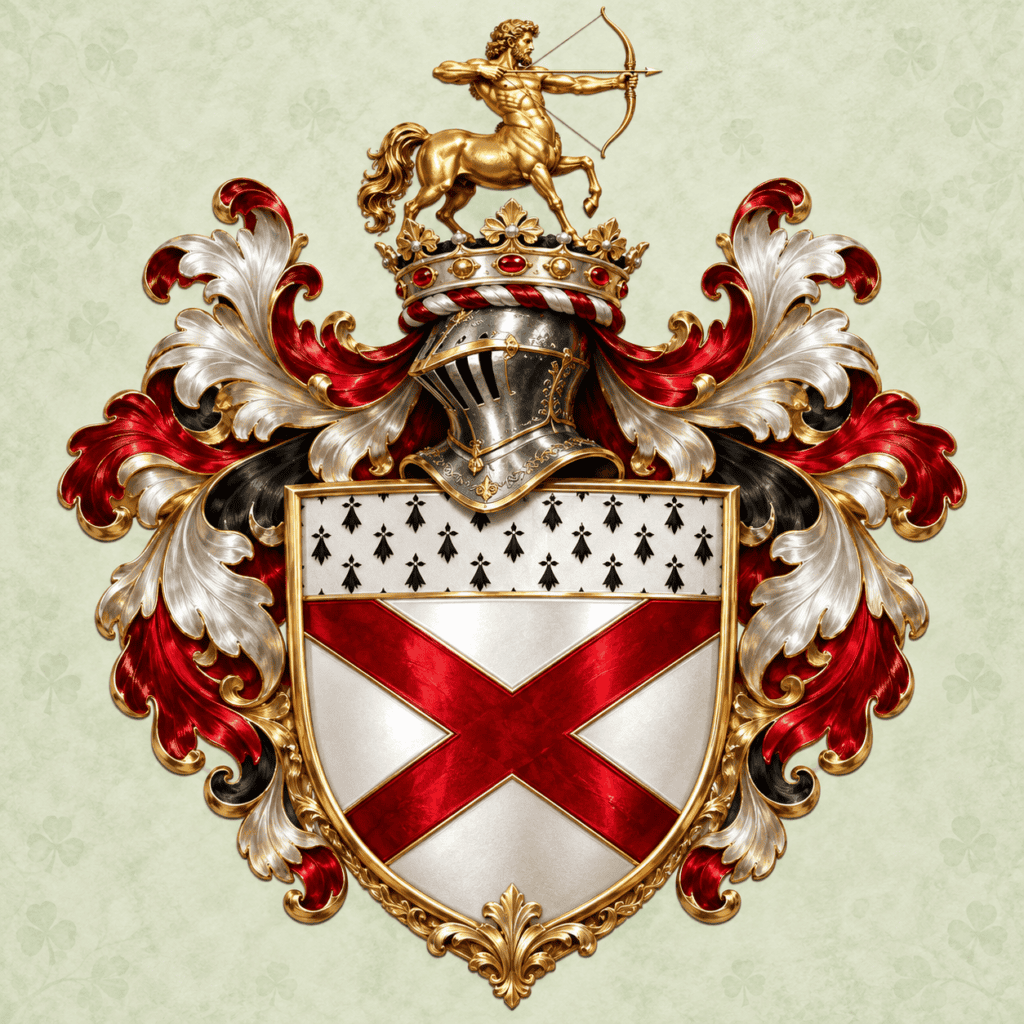
Your own coat of arms
Each title comes with the corresponding historical coat of arms, which you receive as a high-resolution file. You can use it completely freely in private and professional contexts – whether on letterhead, business cards, or seals.
The Companion Book
The book „My Title“ takes you in detail into the multifaceted world of your new aristocratic title and offers valuable practical tips for everyday life, stylish guidance, and background information on history.

Our accessories
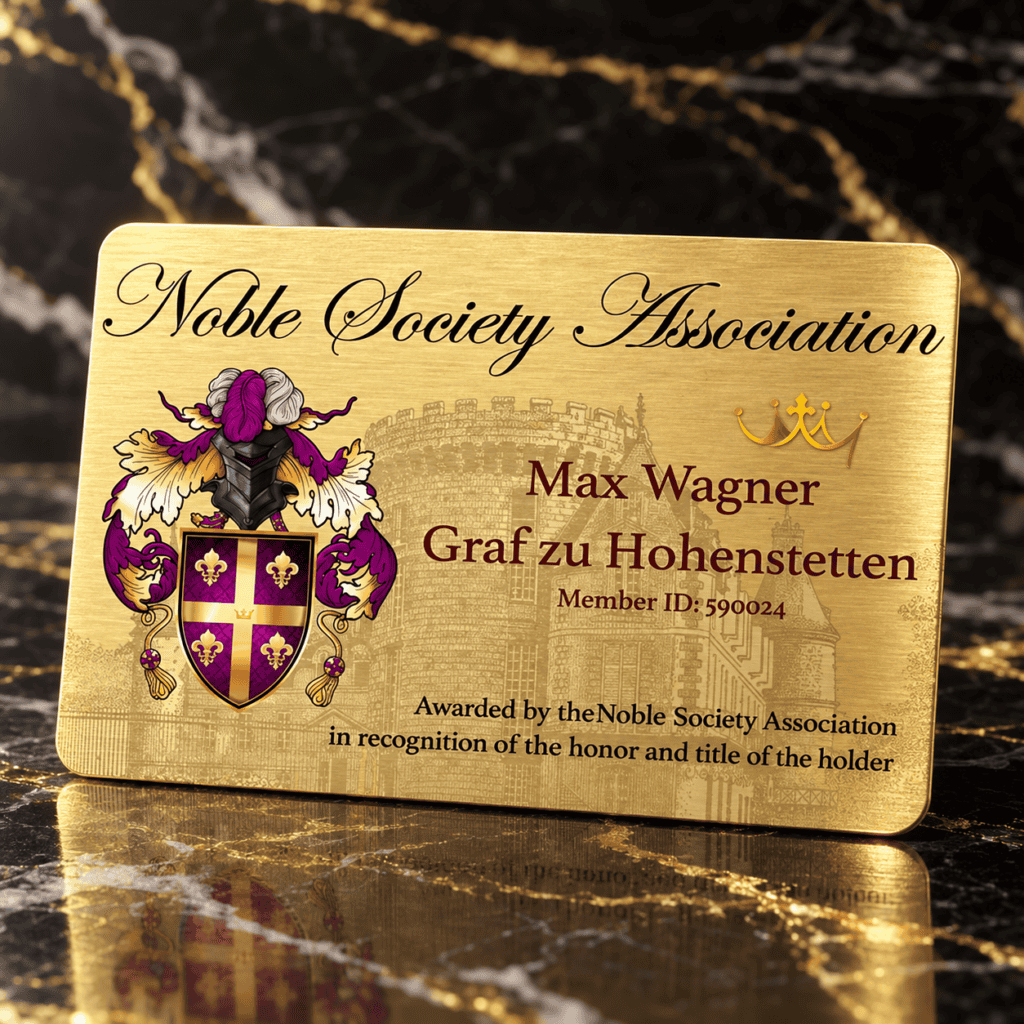
Golden ID Card
Crafted from premium aluminum in business card format, the gold ID Card makes your title look stylish and mobile.
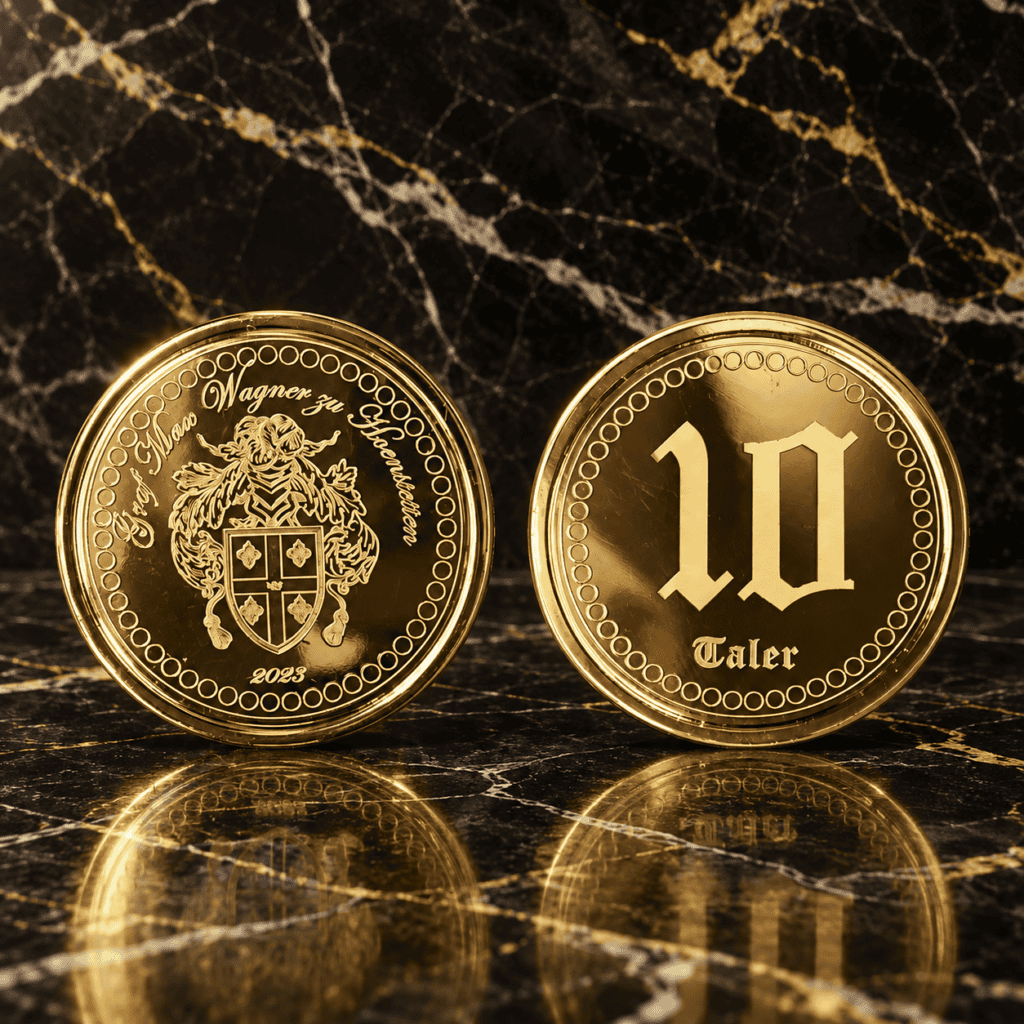
Gold coins
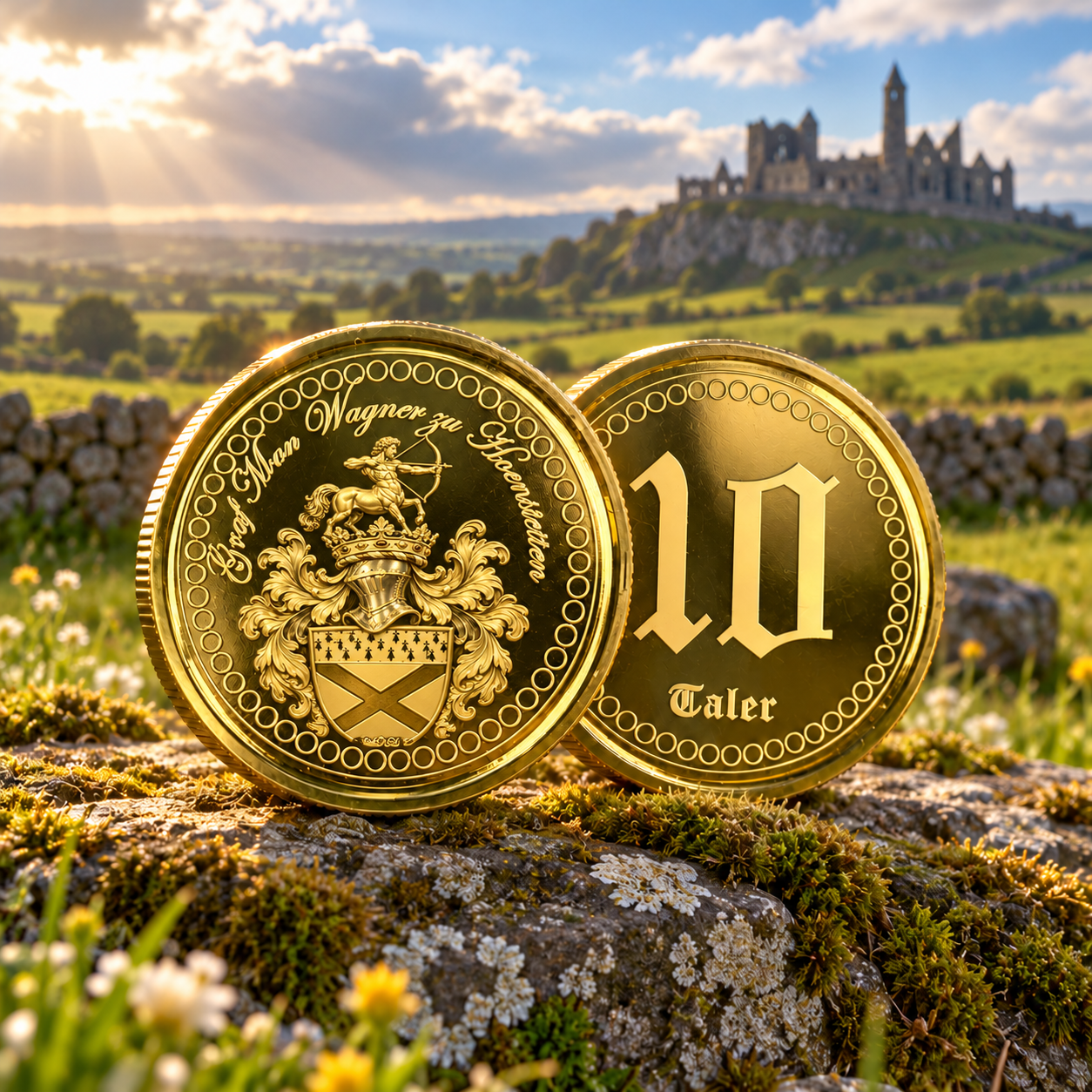
Fine gold and silver-plated medallions combine coats of arms, names and titles in a glossy, unique design.
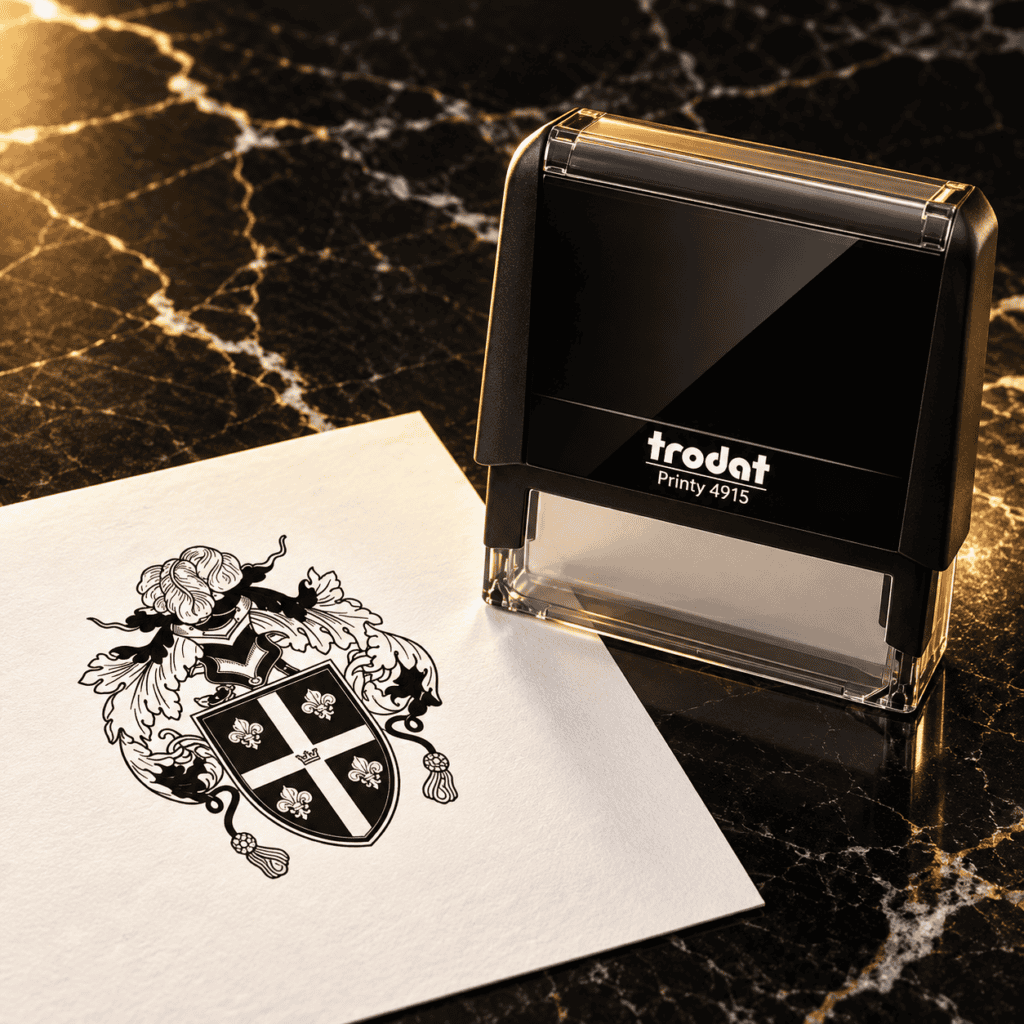
Emblem stamp
The self-inking stamp quickly, cleanly and precisely transfers your personal emblem onto letterhead paper.

My own wine
Choose fine red or white wine with an elegant, personalized label for a stylish look.
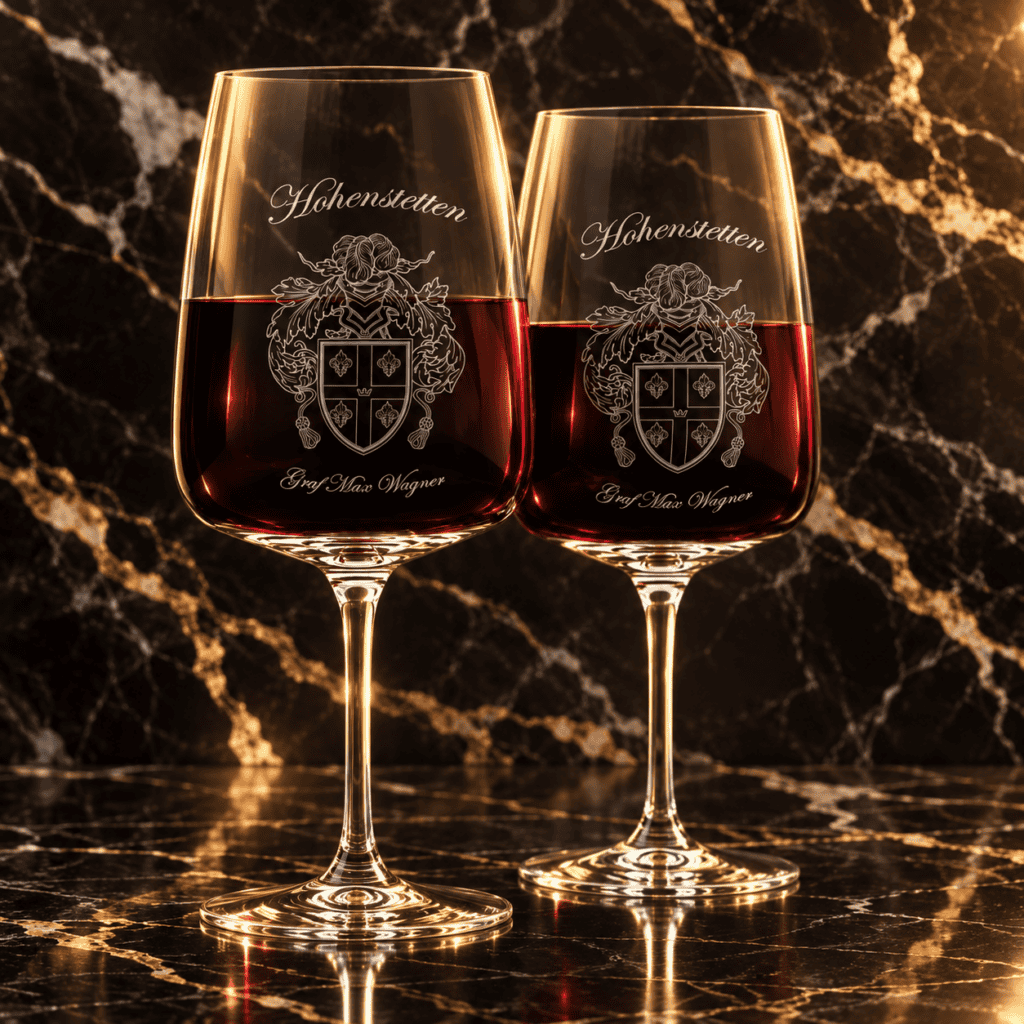
Wappen Gläser
The masterfully engraved wine glasses display their coat of arms, name and title in stunning brilliance.
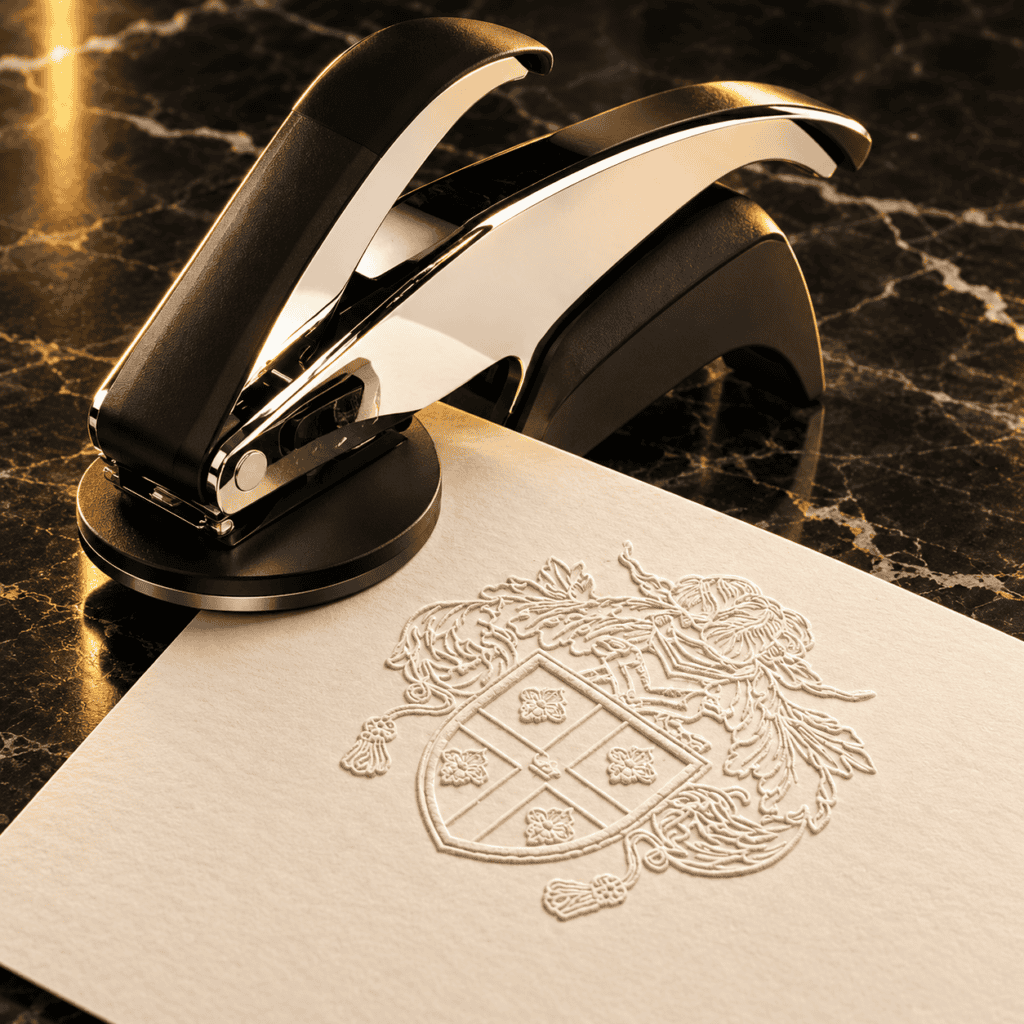
Precision pliers
The elegant embossing pliers embellishes letterheads or documents with a tactile, colourless relief embossing.
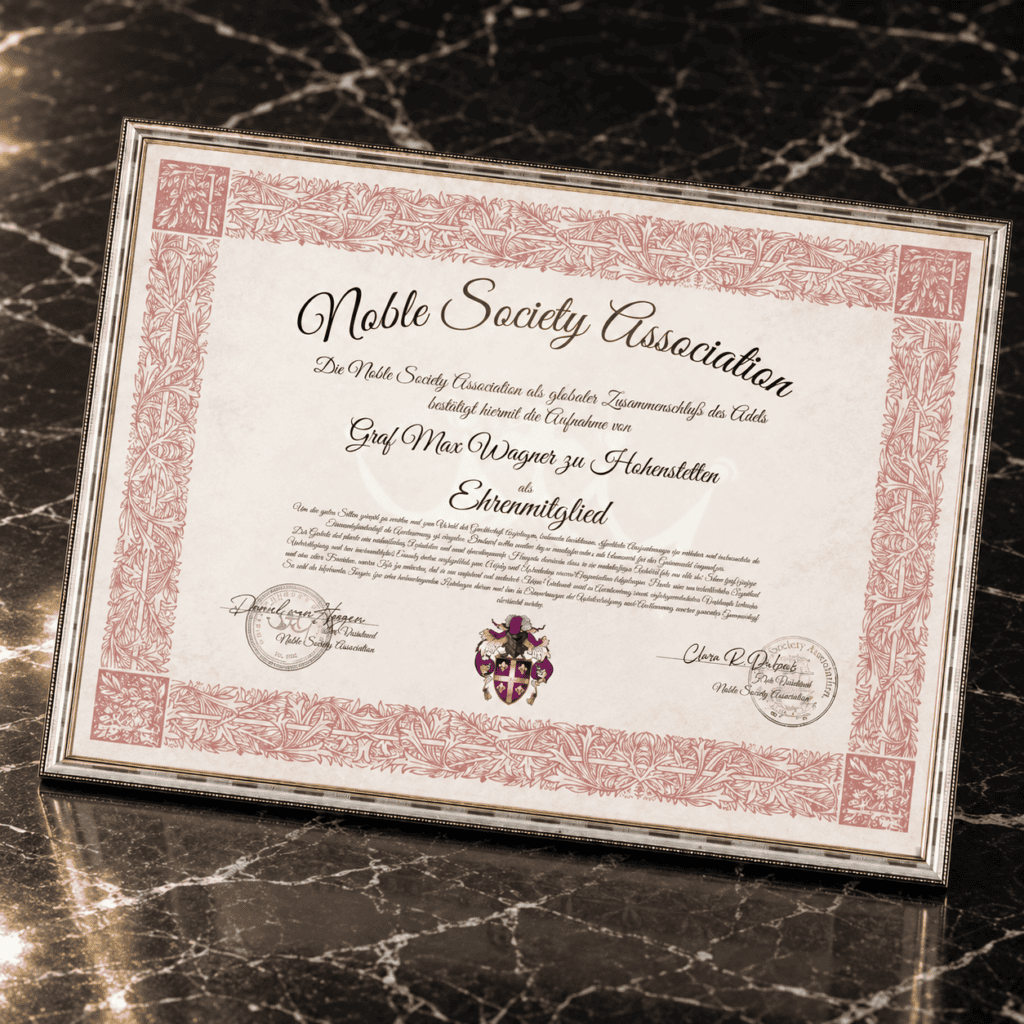
Honorary membership
Membership of the Noble Society Institute enriches your title with another dimension of exclusive representation. Validated by a magnificent certificate in your name, with no ongoing fees or obligations.