

Description
Information about the family history and the coat of arms
Family history
▼
Family history Graf von Falkenstein
The Counts of Neuburg-Falkenstein – A falcon over the Inn and Mangfall
The Bavarian counts of Neuburg-Falkenstein emerged at the beginning of the 12th century between the Chiemsee, the Mangfall and the Unterinntal. Their name linked Burg Falkenstein near Flintsbach with Neuburg an der Inn. From rocks and river paths they built a dominion that united scattered possessions, guard duties and followers. The falcon in the coat of arms made the name a visible image.
Count Siboto II shaped the spiritual landscape. In 1130 he secured the foundation of St. Peter am Madron and endowed the monastery with family-owned estates. In 1133 he donated Burg Weyarn along with the manor houses, mills, and vineyards to an Augustinian choir monastery. The widowed count later entered Weyarn as a monk himself. Both foundations remained closely linked to the house.
Siboto IV offers the most fascinating insight. Before setting off for the Italian campaign of Emperor Frederick Barbarossa, he recorded in the Codex Falkensteinensis the possessions, fiefs, income, and family rights in 1166. The work contains his will, the oldest surviving income register of a secular lordship, and colorful images of the count family. It not only shows castles and estates, but also the everyday life behind the rule: taxes, farms, animals, and legal transactions.
The Falkensteiners were the lords of Herrenchiemsee, Tegernsee, and their own monasteries. Their possessions were located in the Chiemgau, Sundergau, and Unterinntal; Old Falkenstein dominated the Inn-Mangfall area. In the 13th century, the house became embroiled in conflicts between the Wittelsbachers and the Andechs-Meraners. To secure their possessions, they transferred parts in 1245 to the High Friuli Abbey.
With the death of Count Konrad in 1260, the immediate family line came to an end. Duke Otto II of Bavaria acquired large parts of the estate, while other rights over Freising and neighboring lands were acquired. However, the Codex Falkensteinensis, now in the Bavarian State Archives, preserves an exceptionally vivid voice of the family. The monastery of Weyarn, Petersberg, and the ruins of Old Falkenstein still make their way into the present day.
Sources: Bavarikon, House of Bavarian History, Bavarian State Main Archive, Bavarian State Library
Coat of arms & Heraldry
▼
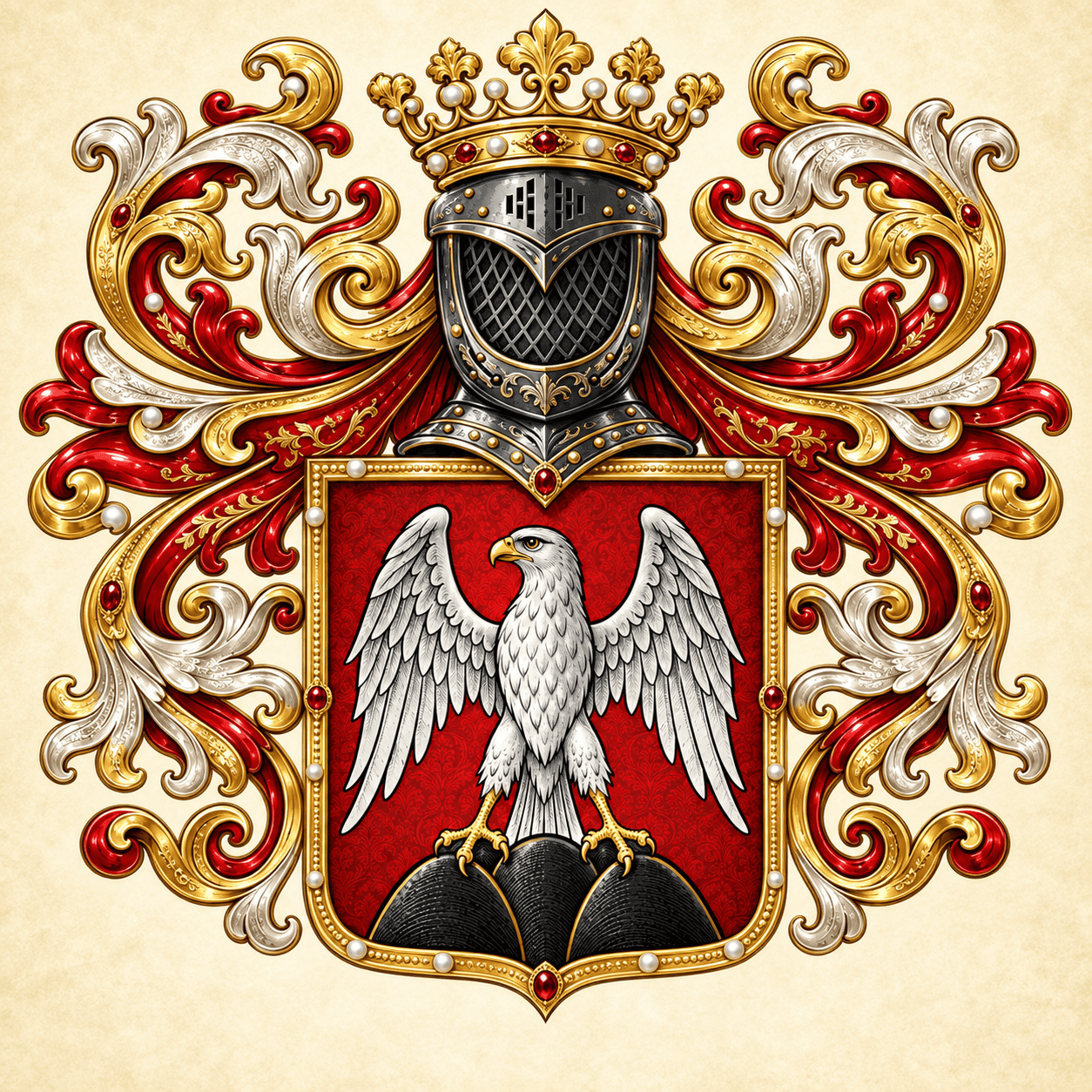
Family coat of arms Graf von Falkenstein
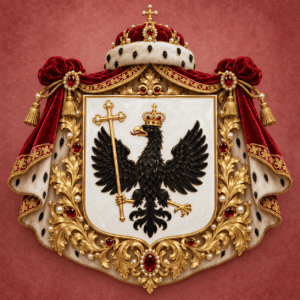
The speaking coat of arms of the Bavarian counts of Neuburg-Falkenstein.
In red on black treeline, a striking silver falcon with gold armor. Above the shield, a dark tournament helmet with a golden crown of a count and red-gold-silver-colored panels.
The Bavarian counts of Neuburg-Falkenstein were a significant high medieval noble family. Their famous Codex Falkensteinensis was created in 1166 on the orders of Count Sibotos IV.
Sources: Bavarikon, BayHStA KL Weyarn 1, Bavarian State Library, Bavarian Academy of Sciences, Manuscript Database, Historical classification of the coat of arms of the Counts of Neuburg-Falkenstein and its preserved versions
Overview of your title package
What the title of nobility contains
Discover the fascination of historical noble titles. With each appointment, you receive a first-class package that perfectly combines tradition, personal recognition, and stylish representation:
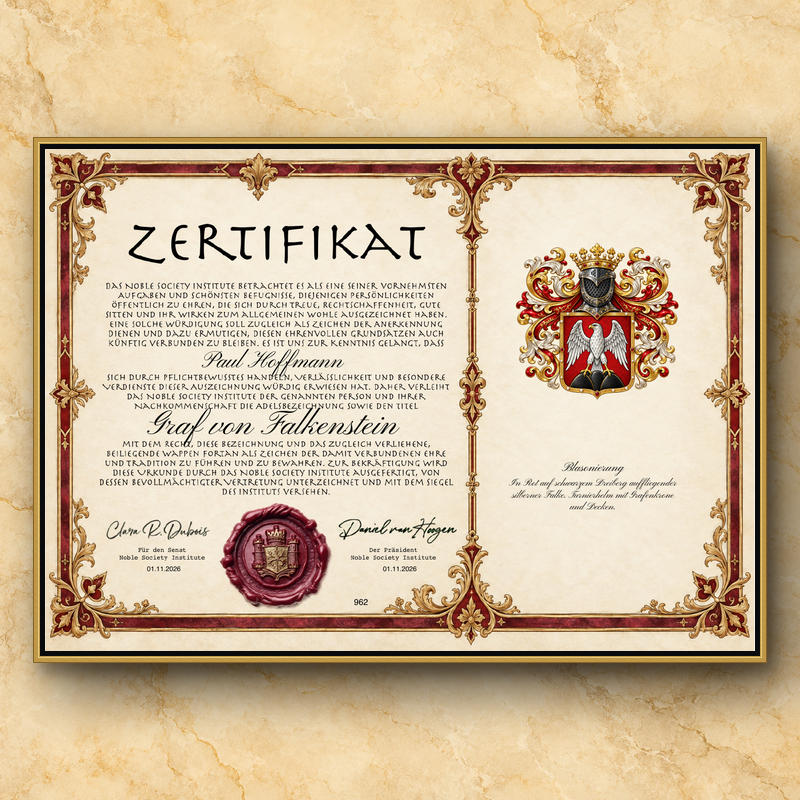
Your certificate
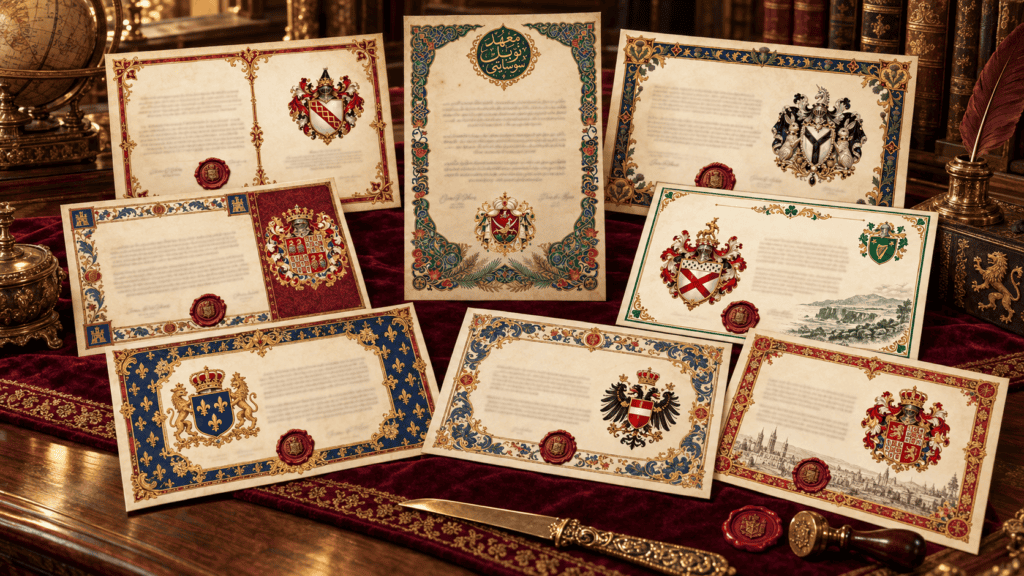
Authentic design with a historic flair: For each region, we create a certificate of appointment in the distinctive, country-specific style – complete with the appropriate coat of arms of your chosen title.
Share this special moment: Upon request, you will receive a free partner certificate and certificates for your children, so that the whole family can participate in the tradition.
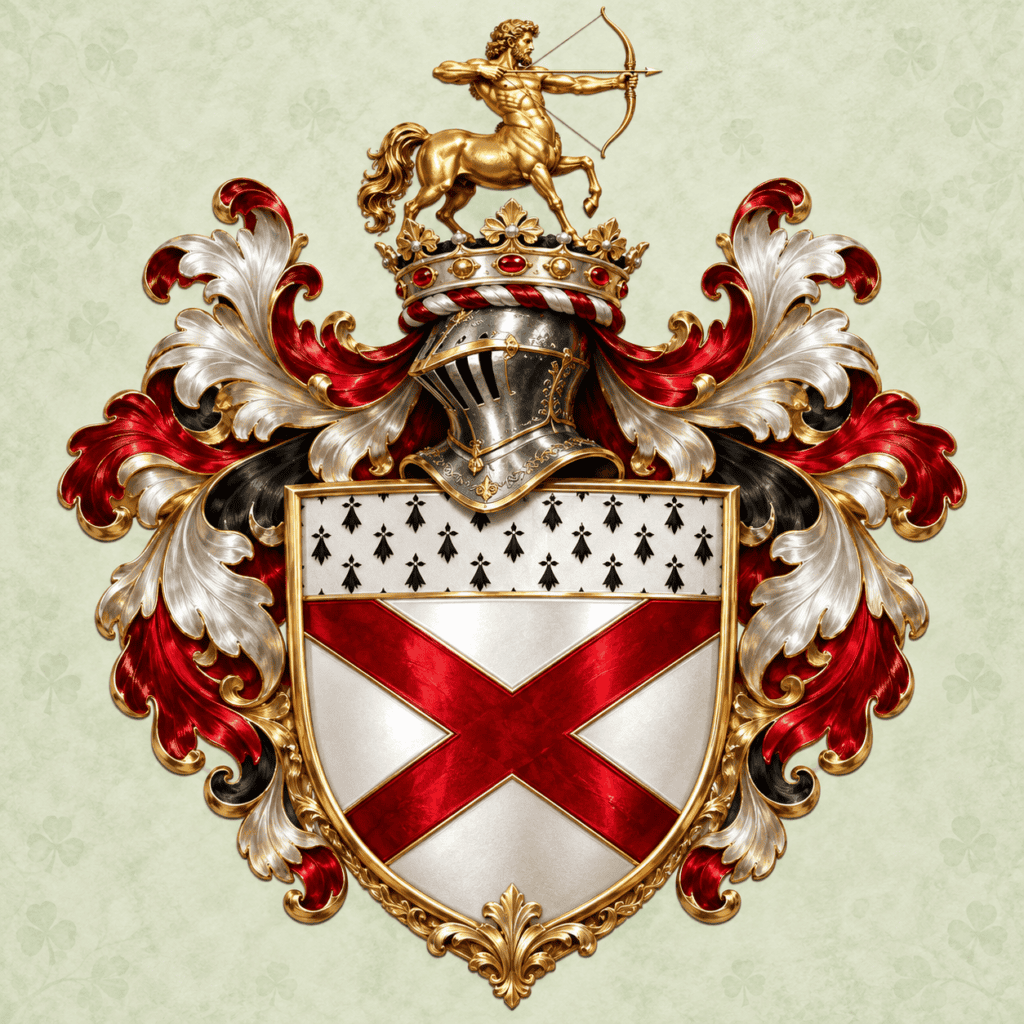
Your own coat of arms
Each title comes with the corresponding historical coat of arms, which you receive as a high-resolution file. You can use it completely freely in private and professional contexts – whether on letterhead, business cards, or seals.
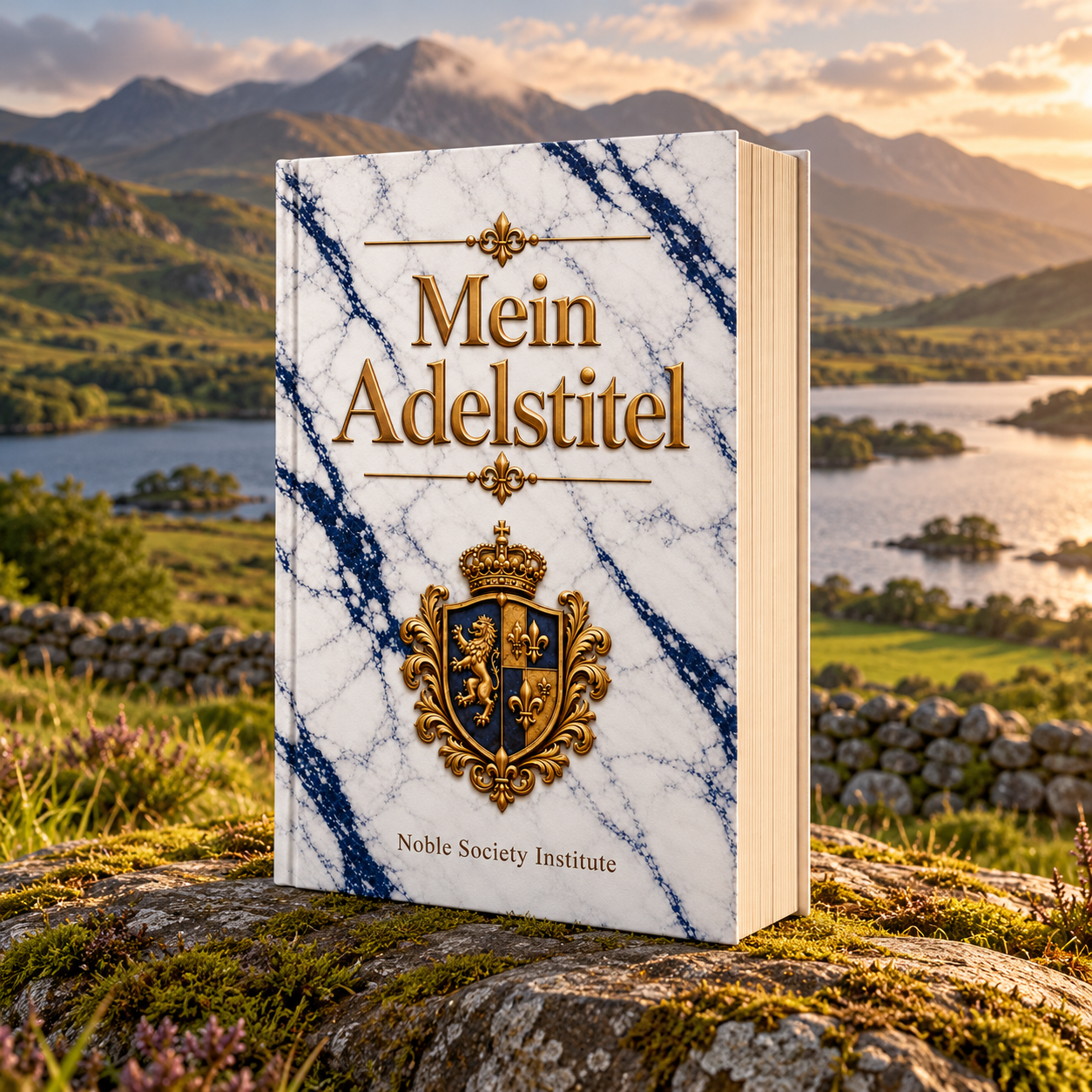
The Companion Book
The book „My Title“ takes you in detail into the multifaceted world of your new aristocratic title and offers valuable practical tips for everyday life, stylish guidance, and background information on history.

Our accessories
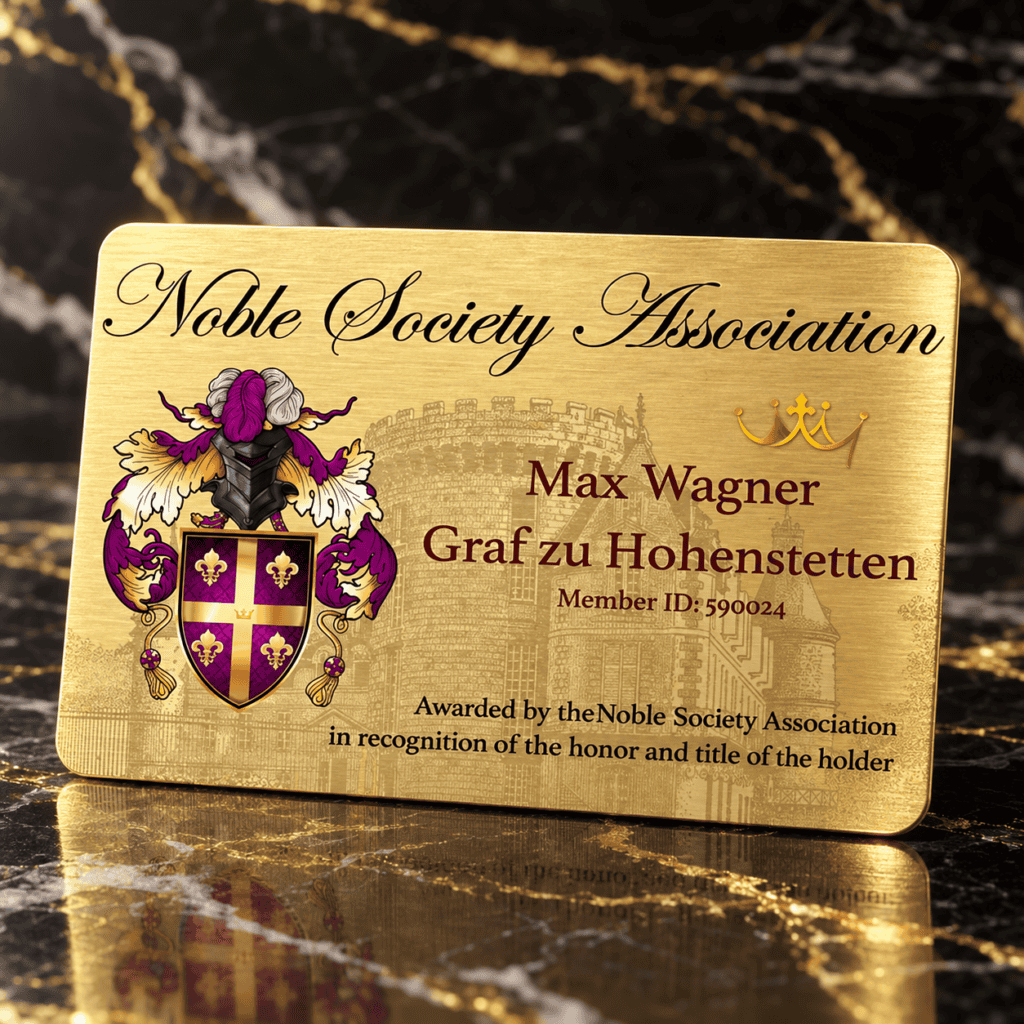
Golden ID Card
Crafted from premium aluminum in business card format, the gold ID Card makes your title look stylish and mobile.
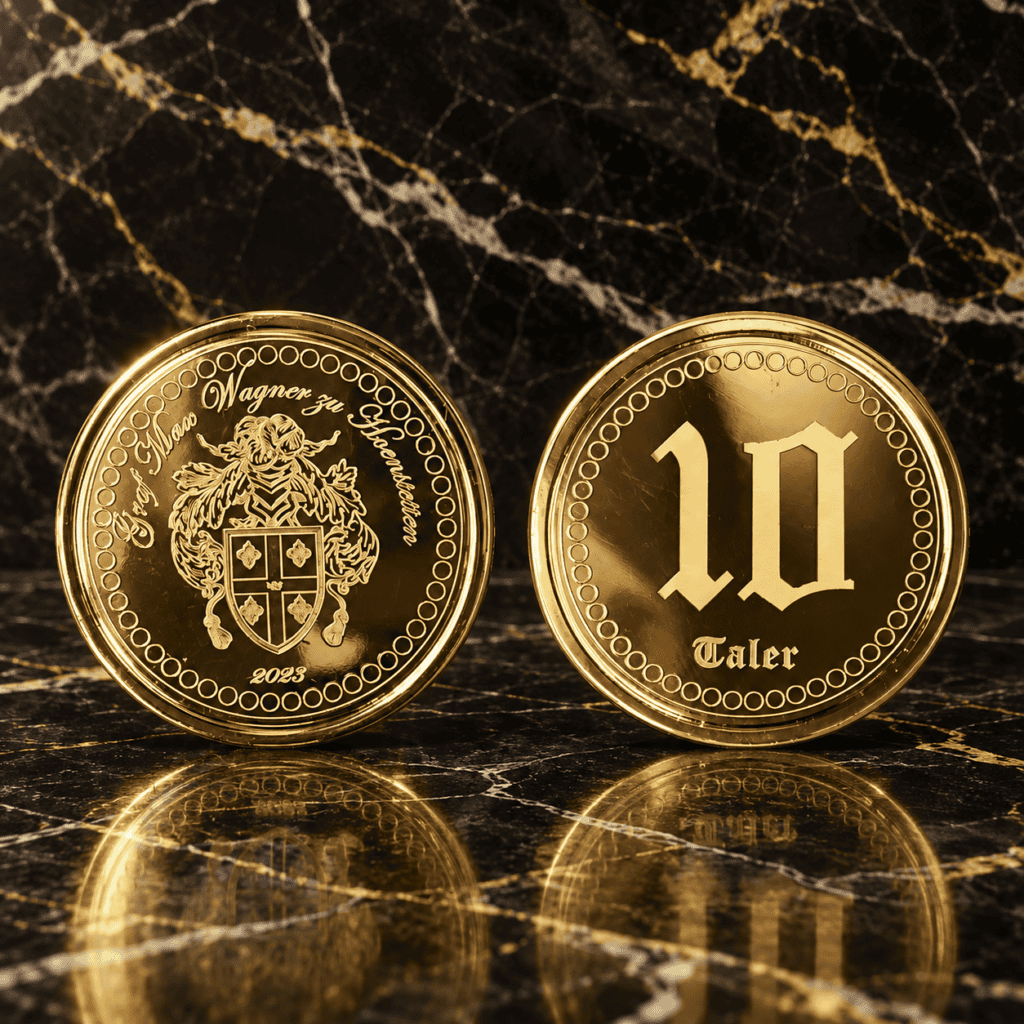
Gold coins
Fine gold and silver-plated medallions combine coats of arms, names and titles in a glossy, unique design.
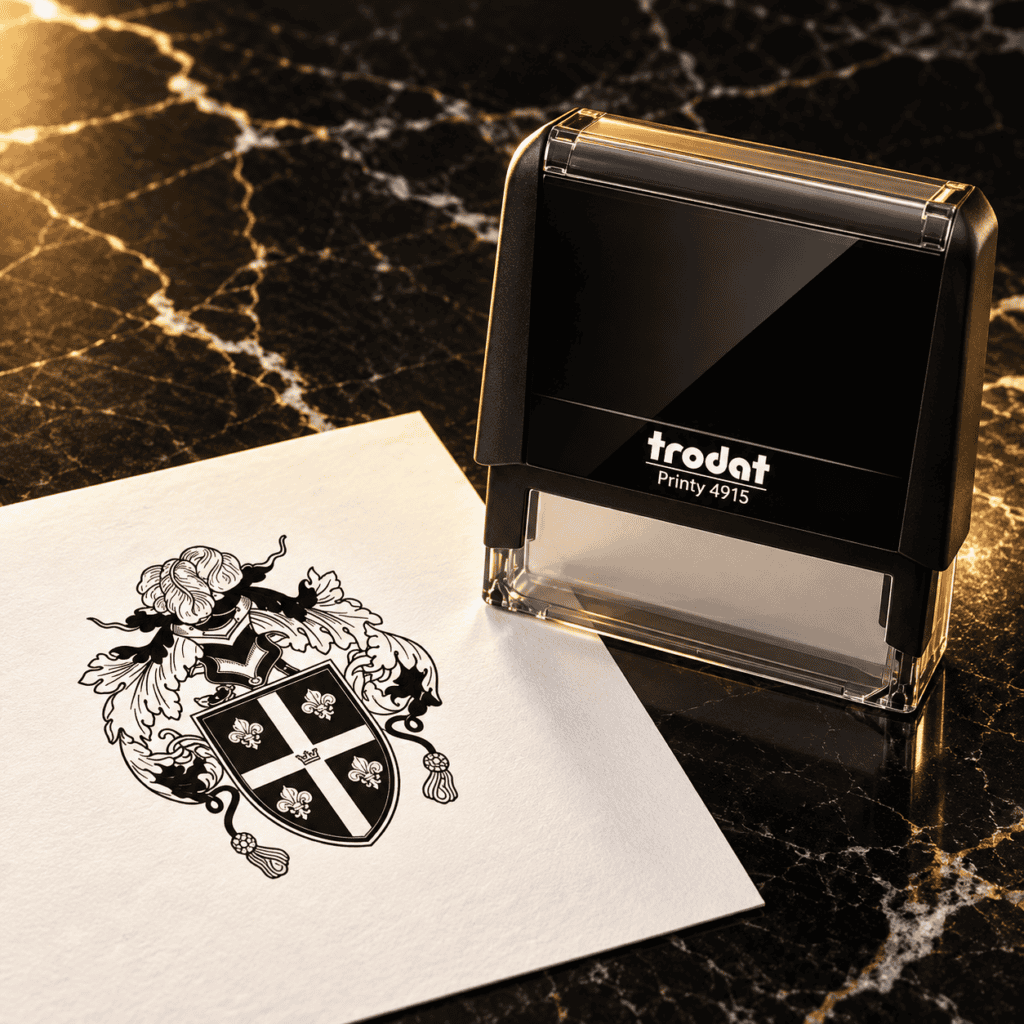
Emblem stamp
The self-inking stamp quickly, cleanly and precisely transfers your personal emblem onto letterhead paper.

My own wine
Choose fine red or white wine with an elegant, personalized label for a stylish look.

Wappen Gläser
The masterfully engraved wine glasses display their coat of arms, name and title in stunning brilliance.
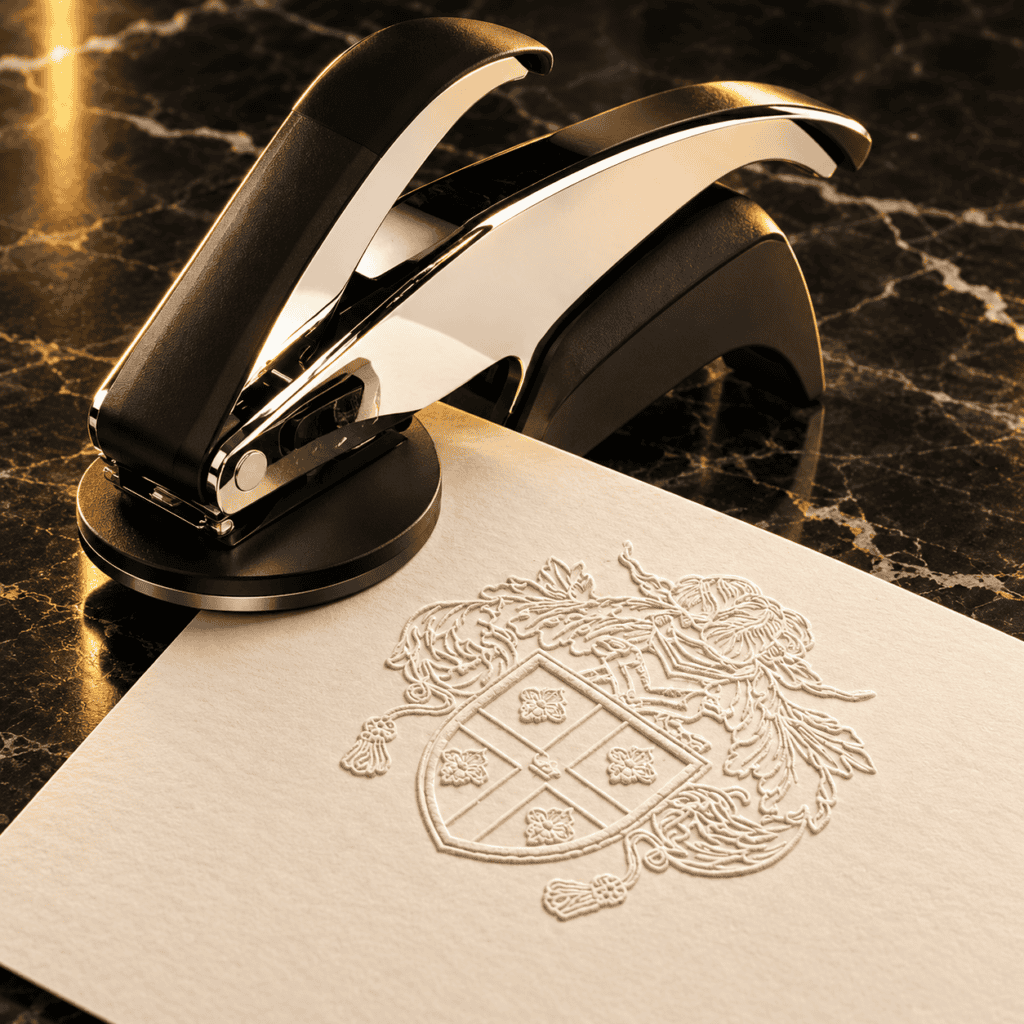
Precision pliers
The elegant embossing pliers embellishes letterheads or documents with a tactile, colourless relief embossing.
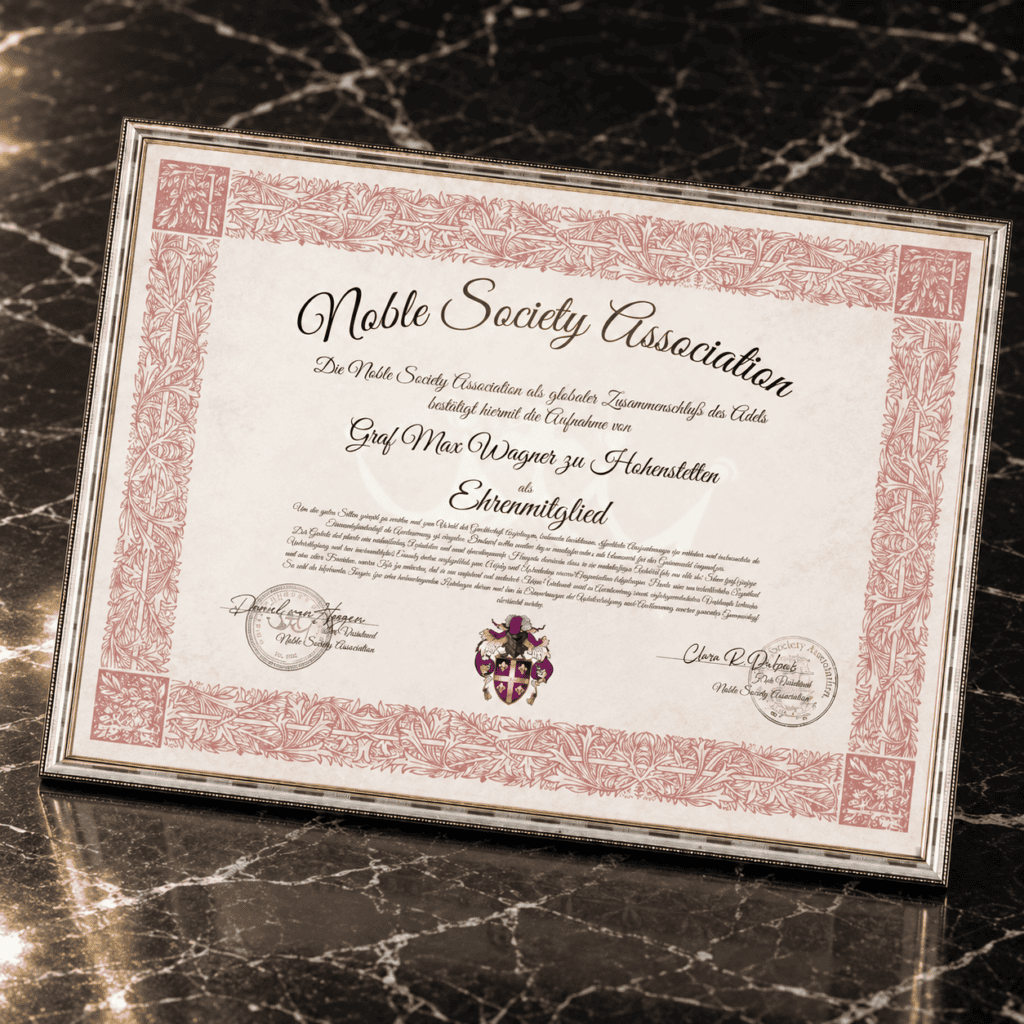
Honorary membership
Membership of the Noble Society Institute enriches your title with another dimension of exclusive representation. Validated by a magnificent certificate in your name, with no ongoing fees or obligations.