Bhutan
From the Buddhist theocratic state to the constitutional monarchy
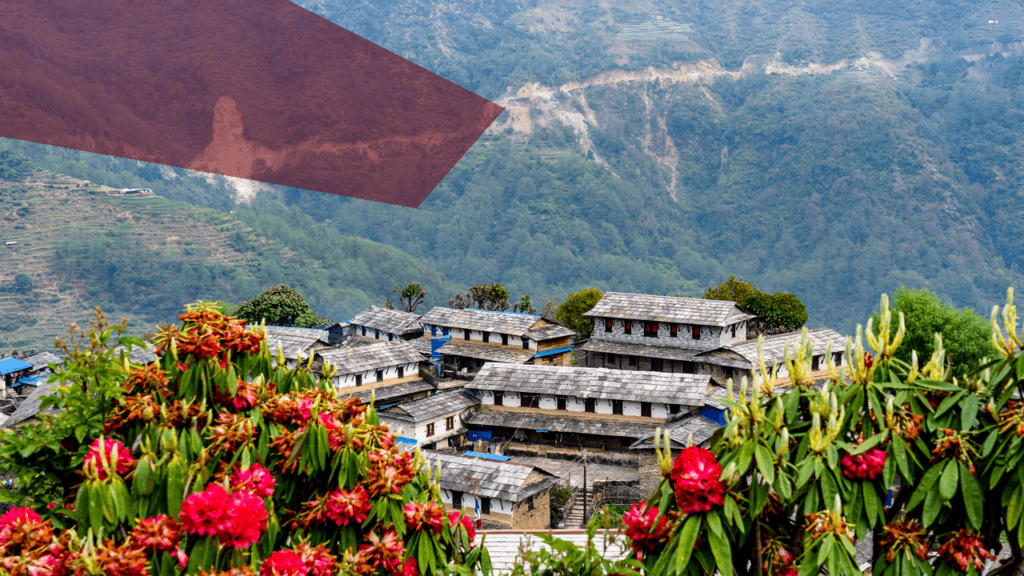
The Kingdom of Bhutan, nestled in the South Asian Himalayan region between India and China, has a fascinating history that is distinctly different from the classical European development lines.. The country’s political and national unification took place in the 17th century by Zhabdrung Ngawang Namgyal, who is considered the spiritual and political founder of modern Bhutan.. To permanently secure the state’s order, he established a traditional elite of leaders from the most powerful families.. Over the course of the centuries, a group formed from around one hundred noble families, who served as important pillars of administration and regional power structures..
A characteristic feature of this Bhutanese nobility and elite culture is the so-called „Zhongar“ tradition, according to which traditional nobility members and historical families own fortified properties or historical sites. Dzongs become obsessed. These monumental structures served as sturdy defensive structures and fortresses against invaders in past centuries, while today they are primarily used as important cultural, administrative, and religious centers of the country..
The House of Wangchuck and the role of the King
In 1907, the hereditary monarchy was established when the Wangchuck family assumed full control of the kingdom.. The dynasty has ruled Bhutan continuously since then and is considered one of the key institutions for safeguarding national identity.. The current king is Jigme Khesar Namgyal Wangchuck. However, unlike many European systems, the Bhutanese royal house cannot simply be described using traditional Western aristocratic categories.. The authority of the monarch is deeply intertwined with the Buddhist institutions, religious legitimacy, and the developed regional structures of the Himalayas..
In recent decades, Bhutan has undergone a remarkable and peaceful transformation.. The kingdom gradually evolved from an absolute monarchy to a constitutional monarchy, with an elected parliament being introduced as part of broader democratic reforms.. The King remains the head of state, the nation's highest representative, whose leadership and social influence enjoy extraordinary respect in the population..
Present and cultural heritage
Even though the historical nobility in Bhutan has largely ceded its former political exclusivity through modern constitutional development, the traditional elites and, above all, the royal family still play a defining role in the country's social and cultural stability.. The unique architecture of Dzongs, The care of the Buddhist heritage and the integration of traditional values with a modern democratic order characterize the statehood.. A traditional one Title of nobility In the European sense, in Bhutan, it is not part of the understanding of law; however, the royal dynasty of the Wangchuks forms the undisputed center of national identity..